4.9 out of 5 from 219 verified reviews on Health & Happiness Guarantee Free delivery over £39 (UK) / €39 (DE)

Nutritionist Formulated. Vet Approved.

Superfoods & Ancient Grains

4.8/5 58 reviews

Price range: £22.50 through £77.00

In Stock

In stock, ready to ship Expected Delivery 3 days

Free from common allergens:

chicken, beef, wheat, corn and soy. A hypoallergenic, plant-based formula, gentle on sensitive dogs.

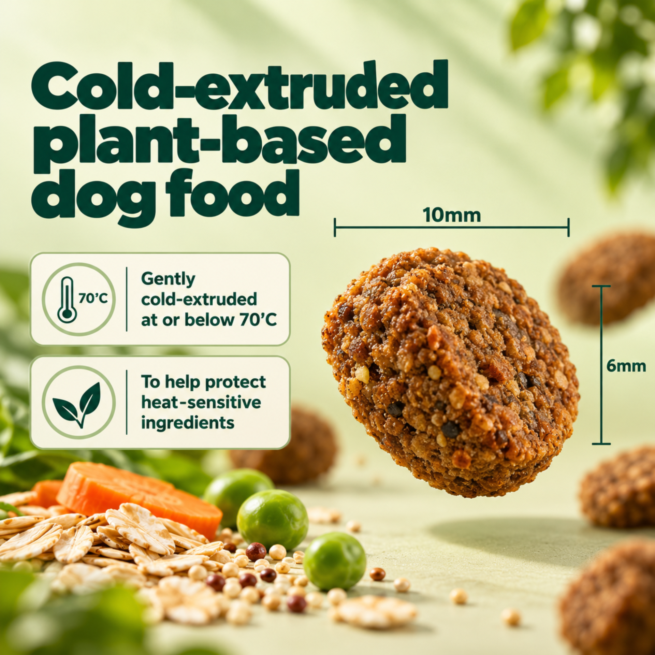
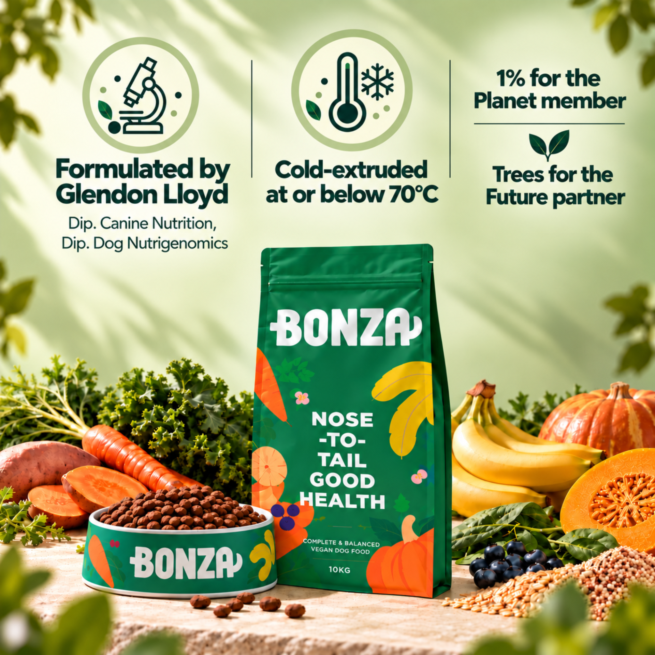
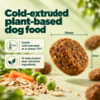
  • Cold Extruded ≤70°C: Helps preserve bioactives
  • Full Biotics Triad: Pre, pro & postbiotic
  • Algae Omega-3: DHA, EPA & DPA
  • Herbs & Adaptogens: Functional botanicals
  • 45 Named Ingredients: Every % declared
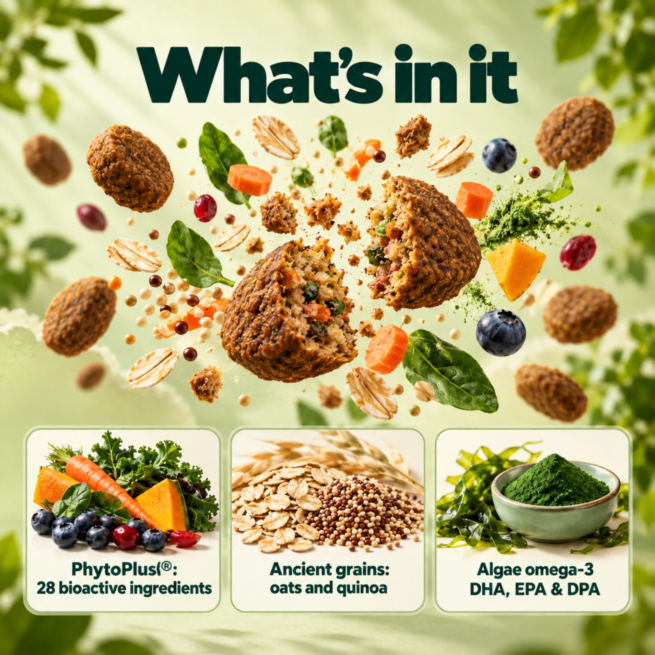
  • PhytoPlus® Blend: 28 ingredients

How much should I feed my dog?

Calculate your dog's exact daily portion

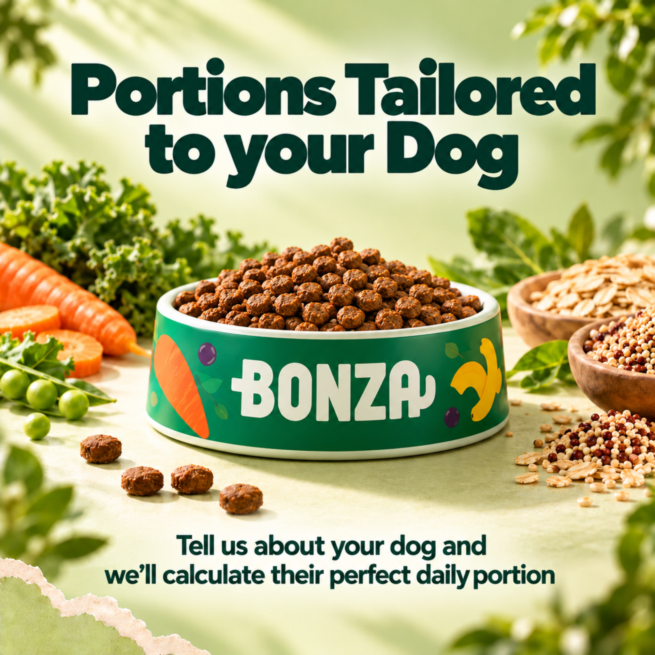
Tell us about your dog and we'll do the maths, then time each delivery to arrive just before the bag runs out. No reordering, and no emergency dashes to the shop.

Get your dog's plan

Takes about two minutes. You'll see their portion, cost per day and delivery schedule before you buy.

Choose the frequency

Choose your own interval

  • Cancel, Pause or Change at Any Time
  • Free VidiVet Online Vet Subscription (UK Only)
  • Preserve Rainforest with Tribe
  • Plant Trees with Trees for the Future
Qty:

Secure Checkout Vet-Approved Free Shipping over £39
Visa Mastercard American Express Apple Pay Google Pay PayPal Klarna
Description

A complete, balanced daily food for all adult dogs, built around the gut microbiome. Cold extruded at or below 70°C to help preserve probiotic viability, prebiotic integrity and the phytonutrient potency that standard processing can compromise. Combines the Biotics Triad with our proprietary PhytoPlus® botanical blend, algae-sourced Omega-3, and oats and quinoa as the ancient grains.

Ingredients

45 named ingredients with every percentage declared, grouped into the whole-food foundation, the PhytoPlus® blend, the Tri-Biotic complex, algae Omega fats and joint support. See the full breakdown and analytical constituents in the Inside This Formula section below.

Health and Happiness Guarantee

Your dog’s health, and their happiness at mealtimes, is our number one priority. If your dog doesn’t take to their first delivery straight away, we ask that you first try our Transition Guide, which has tips to help coax them (this can sometimes take a couple of weeks). If it is still not for them, you get your money back, no quibbles. There is no need to return anything: simply donate any unwanted food to a friend or a nearby animal shelter or sanctuary so it does not go to waste. Read the full guarantee.

Shipping Info

Trackable delivery by leading carriers.

Subscribe & Save delivers on the schedule shown, and you can pause, change or cancel anytime.

See full delivery information

Return Policy

Returns and exchanges are handled under our Health and Happiness Guarantee.

Read the Health and Happiness Guarantee

Questions about a return? Contact us

How Our Subscription Works

Subscribe & Save 10% on every delivery, and choose how your deliveries are timed. Let us calculate your dog's exact daily portion from their details and time each delivery to arrive just before the bag runs out, or choose a fixed delivery every 2, 4, 6 or 8 weeks. Every subscription includes free VidiVet online vet access and can be paused, skipped or cancelled at any time.Every subscription can be paused, skipped or cancelled at any time.

SKU: N/A Category:

Free Vidivet subscription


Your dog’s health, and your peace of mind, is our No. 1 priority.

As a UK subscriber, you get a free subscription to VidiVet, the leading online veterinary consultation service.

Ask questions about your dog via chat or 1-2-1 video consultation with a fully qualified UK vet 24/7.

Saving you money on unnecessary ‘out of hours’ vet visits.

Peace of mind 24/7, 365 days a year.

What if Your Dog's Daily Food Could Do More Than Fill Their Bowl?

Most dog food is designed to meet minimum nutritional requirements. It keeps dogs alive. It ticks boxes. But there is a vast difference between meeting minimums and actually supporting your dog's biology in the way the science says is possible.

The truth is, standard kibble is processed at temperatures that can destroy the very compounds that could make the biggest difference: probiotics, adaptogens, phytonutrients and heat-sensitive vitamins. What arrives in the bowl is nutritionally adequate but biologically impoverished.

Superfoods & Ancient Grains was created to close that gap. Not as a premium upgrade of the same approach, but as a fundamentally different kind of daily nutrition, one that treats the gut as the foundation for whole-body health and helps preserve the bioactive compounds your dog's biology actually needs.
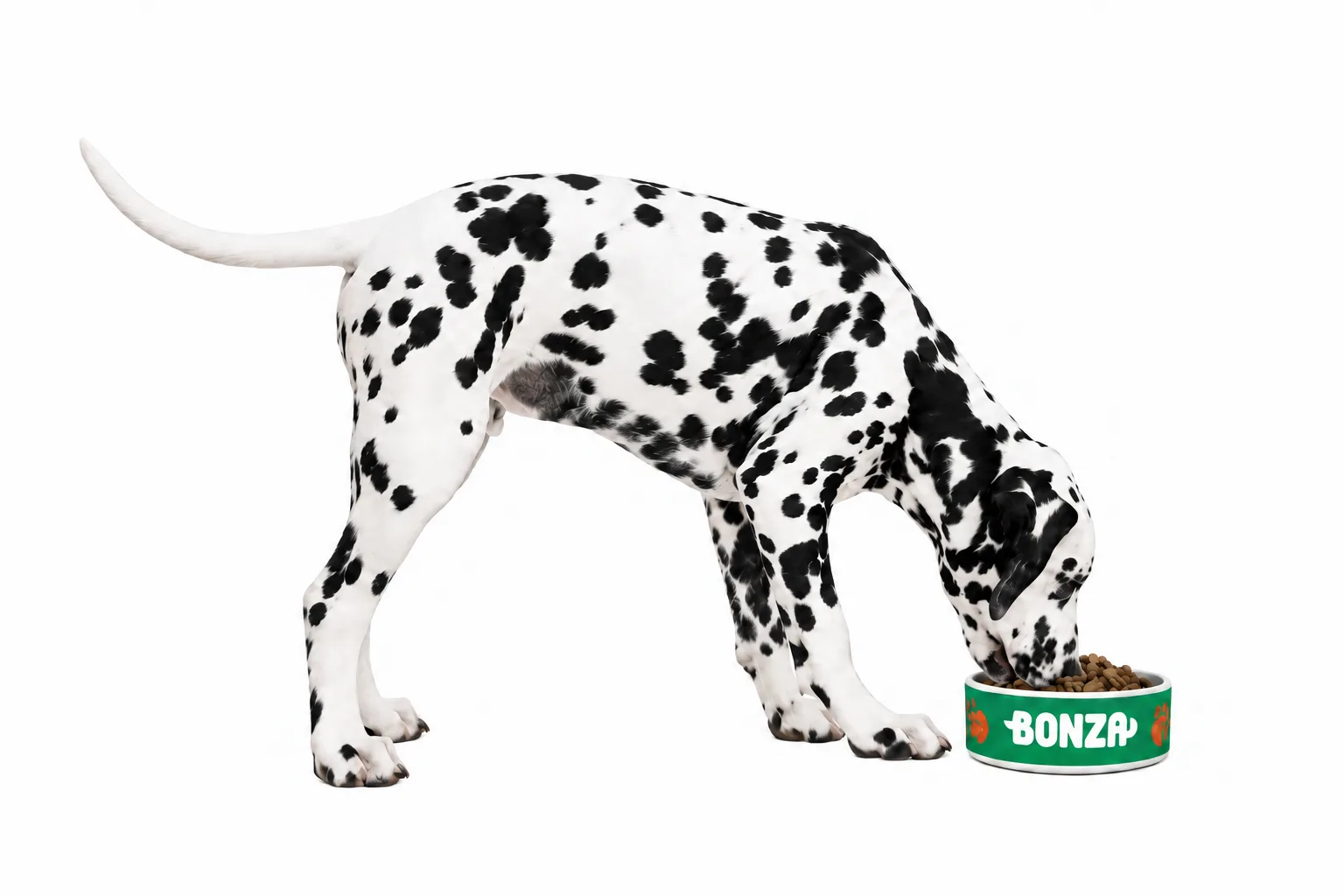
Dalmatian eating Bonza Superfoods and Ancient Grains from a green Bonza bowl

This is the nutritional foundation upon which everything else is built.

A complete, balanced daily food that also delivers a tri-biotic system, a proprietary botanical blend, Omega-3 DHA from algae and adaptogens for stress resilience. Cold extruded at or below 70°C to help preserve the important bioactives.

What Makes This Different

Six Reasons This Isn't Ordinary Dog Food

Every ingredient and every process exists because the science says it should. Not because it sounds good on a label.

Gut-First Complete Nutrition

Built on the One Gut. Whole Dog.™ philosophy. We don't treat gut health as an added extra. We start with your dog's gut and build everything else around it, because that's where their whole-body health begins.

The science

25% protein, 12.5% fat and a complete amino acid profile, with supplemented DL-Methionine (5,000mg), Taurine (1,500mg) and L-Carnitine (100mg). FEDIAF-compliant for all adult dogs.

For the evidence, see the microbiome pillar

Tri-Biotic System

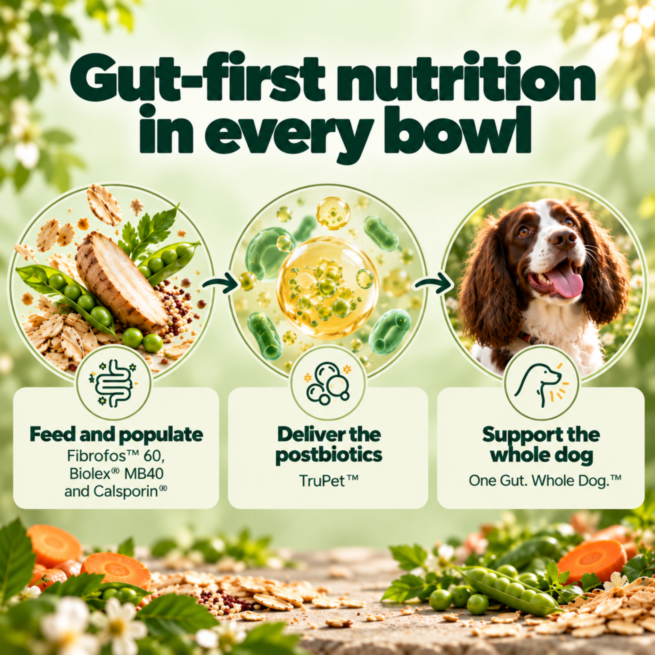
All three biotic layers, working as one system. Prebiotics feed the good bacteria, probiotics add more of them, and postbiotics deliver the beneficial compounds they produce. In our food that's chicory root FOS, Calsporin® and TruPet™, supporting the gut barrier and immune signalling.

The science

Calsporin® (B. velezensis) delivers 10⁹ CFU/kg. TruPet™ provides metabolites that support tight-junction integrity. Chicory FOS selectively feeds Bifidobacterium and Lactobacillus populations.

For the evidence, see the Biotics Triad

PhytoPlus® Bioactive Blend

A proprietary blend of herbs, botanicals and adaptogens: turmeric, ashwagandha, reishi mushroom, Panax and Siberian ginseng, echinacea and more, chosen for their antioxidant, anti-inflammatory and adaptogenic properties.

The science

PhytoPlus® brings together 28 functional ingredients. Black pepper extract (piperine) enhances curcumin bioavailability, and yucca extract supports reduced faecal odour.

For the evidence, see the PhytoPlus® blend

Omega-3 DHA from Algae

Algae-sourced Omega-3 DHA, EPA and DPA: the same source fish get their Omega-3 from, without the heavy metals, ocean depletion or supply-chain concerns. Supports brain function, a healthy inflammatory response and coat condition.

The science

DHAgold™ provides 0.22% DHA. Total Omega-3 content is 1.009%, with an Omega-6:Omega-3 ratio held at roughly 1.9:1, within the range associated with a balanced inflammatory response.

For the evidence, see DHAgold™ Omega-3

Adaptogens for Resilience

Ashwagandha, reishi mushroom, and Panax and Siberian ginseng: adaptogens used traditionally for centuries and now studied for their role in supporting the body's stress response, immune modulation and cellular resilience.

The science

Adaptogens are studied for their action on the HPA axis (hypothalamic-pituitary-adrenal), supporting cortisol regulation and stress adaptation. Reishi contains β-glucans with documented immunomodulatory properties.

For the evidence, see herbs, botanicals and adaptogens

Cold Extrusion at or below 70°C

Standard dog food is processed at 105 to 160°C, which can degrade probiotics, denature proteins and break down heat-sensitive phytonutrients. Our cold extrusion at or below 70°C helps preserve the bioactive integrity of every ingredient.

The science

Lower-temperature processing helps maintain probiotic viability (Calsporin® at 10⁹ CFU/kg), preserve curcuminoid structures and retain heat-sensitive vitamin activity that high-heat processing can compromise.

For the evidence, see how cold extrusion works

The Daily Process

How Each Bowl Works Inside Your Dog

More than just meals. Each bowl delivers a precisely formulated system that supports gut health, bioactive compound delivery and whole-body wellness.
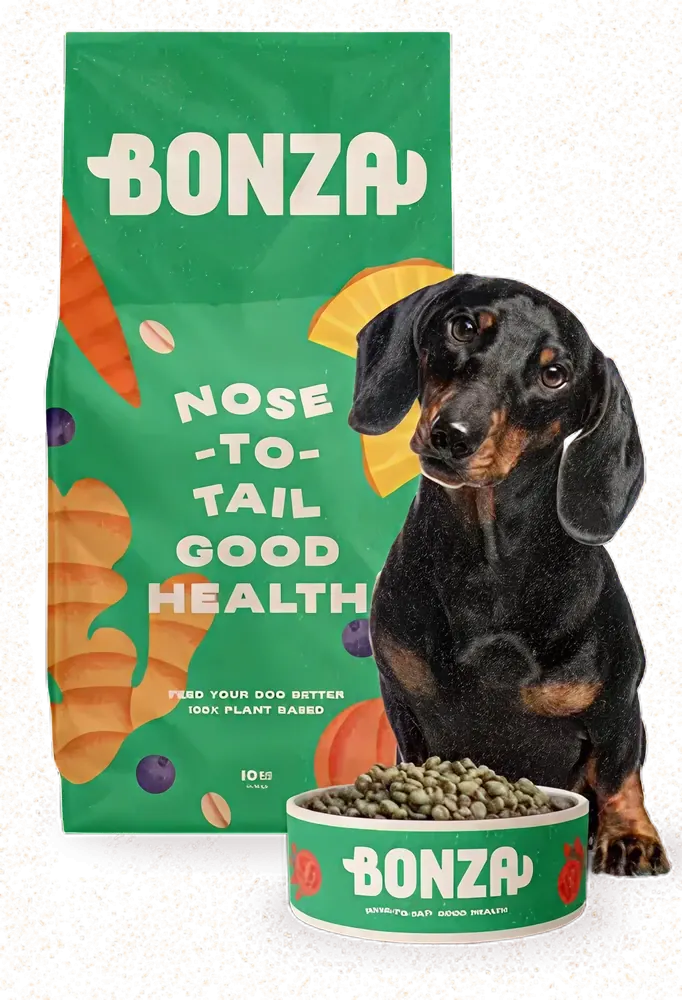
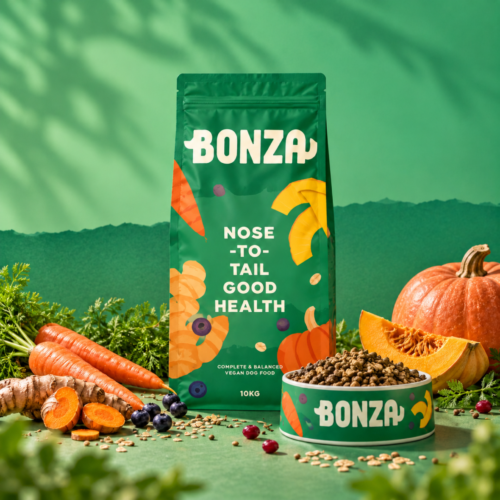
Dachshund sitting beside a bag of Bonza Superfoods and Ancient Grains and a full Bonza bowl

Cold Extrusion vs. Standard Processing

Bonza Cold Extrusion

At or below 70°C. Helps preserve bioactive compounds.

Industry Standard

105 to 160°C. Can damage probiotics, denature proteins and degrade phytonutrients.

The proteins owners trust most are the proteins sensitive dogs react to most.

Beef and chicken are among the most commonly reported food allergens in dogs. Beef alone accounts for around a third of confirmed cases. Bonza contains none of them, nor lamb, egg, fish, soy, wheat, corn or rice.

Not to make a point, but because a gut fighting its own dinner is a gut not doing its most important work.

  1. Daily Gut Nourishment

    Every bowl delivers the tri-biotic system. Prebiotic chicory FOS feeds beneficial bacteria, Calsporin® probiotics support a balanced gut population, and TruPet™ postbiotics support the intestinal barrier. The foundation is supported by every meal.

    Prebiotics feed. Probiotics produce. Postbiotics deliver.

  2. Bioactive Compound Delivery

    The PhytoPlus® blend delivers anti-inflammatory, antioxidant and adaptogenic compounds in their bioactive form. Cold extrusion at or below 70°C helps preserve them. From turmeric's curcuminoids to ashwagandha's withanolides, these are the compounds that standard processing can damage.

    Cold extrusion at or below 70°C helps preserve what high heat can degrade

  3. Whole-Body Health Support

    As the gut microbiome strengthens and bioactive compounds are absorbed, support radiates through every gut-organ axis: immune resilience, skin health, brain function, joint comfort, metabolic efficiency and long-term vitality.

    Gut to Immune · Skin · Brain · Joints · Metabolic · Longevity

Full Transparency

Inside This Formula

45 named ingredients. Every percentage declared. No unnamed "animal fat" or mystery filler.

Gently made. Cold extruded at or below 70°C, rather than the 105 to 160°C of conventional extrusion, to help preserve the probiotics, Omega-3 and delicate bioactive compounds below.

Inclusion levels per kg of food. Clinical references show published research on each ingredient.

Whole-Food Foundation Protein, complex carbs & essential fats

Sweet Potato

12.97%

Low-GI complex carbohydrate. Beta-carotene and prebiotic fibre.
OAT Flakes

12.40%

Ancient grain with beta-glucan fibre, B vitamins and steady energy.

Peeled Peas

12.20%

Plant protein contributing essential amino acids.

Potato Protein

8.00%

Concentrated protein with high amino acid digestibility.

Quinoa

4.50%

Ancient grain containing all ten essential amino acids dogs require. Rich in lysine. Gluten-free.
Fava Beans

3.50%

Protein-rich legume with iron and folate.
Chickpeas

3.00%

Slow-release energy, prebiotic fibre and plant protein.

Nutritional Yeast

3.60%

Natural B-vitamin complex and palatability enhancer.

PhytoPlus® Blend

28 botanicals, adaptogens & functional ingredients

Show all ingredients

Dried Seaweed

The most bio-available source of Omega-3 DHA (docosahexaenoic acid) and EPA and a source of the potent antioxidant, fucoxanthin, that helps protect your dog’s cells from oxidative damage. It contains taurine, that supports your dog’s heart health and boosts its oral health.

DHA Gold™

DHA is a major component of brain tissue and the retina, a key component of the heart, is located in healthy joints and plays a significant role in the control of multiple cellular functions like the inflammation or immune response. DHA omega-3 is essential for proper body functions and considered the most important nutritional lipid in your dog's diet.

Coconut Oil

High in healthy saturated fats that can boost fat burning and provide your dog’s body and brain with quick energy. To turn coconut oil fats into fuel requires only three steps – a huge improvement on the 26-step process for other fats.

Panax Ginseng
Turmeric

Dried Pineapple

The enzyme bromelain jumpstarts protein hydrolysis to extract more nutrition from plant proteins.

Ashwagandha

It contains flavonoids and steroidal lactones called Withanaloides, known to help support a healthy response to stress and to bolster mood, immunity, and energy levels.

Baobab Fruit Powder

Described as ‘the vitamin tree’ by National Geographic, but possibly more famous for containing more antioxidants than any other whole fruit. Other health benefits of baobab include boosting the immune system, supporting bone strength, soothing the gastrointestinal system, and lowering inflammation.

Reishi Mushroom

They’re now noted for their unique collection of compounds, which include triterpenes, alkaloids, sterols, and a variety of essential polysaccharides, plus selenium, which is critical for the immune system.

Siberian Ginseng

A popular adaptogen, beloved by athletes for its power to boost endurance and reduce fatigue.

Echinacea

Echinacea contains an impressive variety of active compounds that boost health, such as caffeic acid, alkamides, phenolic acids, rosmarinic acid, and polyacetylenes.

Pumpkin Powder

A low-calorie food that’s rich in vitamins, minerals, and antioxidants. Pumpkin is a great source of potassium and beta-carotene, the carotenoid that converts to vitamin A.

Black Pepper Extract

Its concentration of powerful, health-giving compounds acts in synergy with other polyphenols and phytonutrients to enhance health benefits.

Dried Cranberry

Dried Papaya

The enzyme papain, found in papaya has been shown to jumpstart protein hydrolysis to extract even more nutrition from plant proteins.

Dried Spinach

A nutritious, low-carb, high-fibre, leafy green vegetable that contains high amounts of carotenoids, vitamin C, vitamin K, folic acid, iron, and calcium.

Dried Kale

The king of the super-healthy greens is one of the most nutritious plant foods on the planet.

Ginger Powder

Chamomile Powder

Chamomile has some unique properties that may improve the quality of your dog’s sleep.

Rosemary

Parsley

Another superfood that needs only to be consumed in small amounts for its health benefits to take effect. Parsley is packed with health-giving nutrients (including vitamins K, C, and A), essential oils (including myristicin and apiol), and antioxidant flavonoids.

Oregano

An outstanding health-promoting herb containing powerful phenol antioxidants, such as carvacrol which has microbial-balancing benefits.

Sage

Basil

A herb with health benefits that include stress reduction and blood-sugar control.

Yucca Extract

Yucca contains high amounts of vitamin C and antioxidants, both of which can benefit the immune system and overall health.

Olive Oil Extract

Quite possibly the healthiest fat on the planet. Olive oil is incredibly good for your dog. It’s rich in mono-unsaturated oleic acid, a fatty acid that’s believed to have many beneficial effects, including reducing inflammation. With its powerful antioxidants, olive oil is also good for your dog’s heart, brain, joints, and more.
Dried Chicory & Baobab (natural sources of FOS and inulin)

Dried chicory root is a prebiotic powerhouse – containing approximately 65% inulin that selectively nourishes beneficial gut bacteria while providing natural antiparasitic properties through sesquiterpene lactones.

Yeast Hydrolysate (natural source of MOS and beta glucans)

Tri-Biotic Complex Prebiotics + Probiotics + Postbiotics

Prebiotic: Dried Chicory & Baobab

Chicory 2,000mg (0.20%); Baobab 1,800mg (0.18%)

Natural sources of FOS and inulin, prebiotic fibres that feed beneficial gut bacteria and support stool quality and digestive comfort.

Clinical References

Prebiotic: Yeast Hydrolysate

5,000mg (0.5%)

A natural source of MOS and beta-glucans from the yeast cell wall, which support beneficial gut bacteria and a balanced immune response.

Clinical References

  • Middelbos et al. (2007) yeast cell wall supplementation tended to improve nutrient digestibility and reduced faecal E. coli in dogs
  • Theodoro et al. (2019) yeast cell wall preparations showed prebiotic effects and raised faecal butyrate in dogs

Probiotic: Calsporin®

10⁹ CFU

Spore-forming probiotic (Bacillus velezensis DSM 15544) that survives digestive transit and supports a balanced gut flora.

Clinical References

Postbiotic: TruPet™

5,000mg (0.5%)

Supports digestive balance, the gut barrier and a healthy immune response.

Clinical References

Omega & Essential Fats Brain, skin, and anti-inflammatory support

DHAgold™ Dried Algae

DHA 2,200mg (0.22%)

An algae source of long-chain Omega-3 (DHA), supporting the gut lining, nutrient absorption and a healthy inflammatory response.

Clinical References

  • Souza et al. (2019) supported digestibility and inflammatory markers in dogs
  • Dahms et al. (2019) a Schizochytrium algal oil raised plasma DHA and EPA and was well tolerated in dogs through pregnancy and growth

Rapeseed Oil

Omega-3 1.009%, Omega-6 1.89% (total in food)

A plant oil providing both families: ALA, a short-chain Omega-3, and linoleic acid, an Omega-6, in a naturally favourable ratio that supports skin and coat condition.

Clinical References

  • Rees et al. (2001) dietary ALA and linoleic acid improved skin and coat condition in dogs
Joint & Mobility Support Gut-joint axis support

Glucosamine HCl

300mg

An amino sugar the body uses to build the glycosaminoglycans that give cartilage its cushioning structure. Produced by fermentation, not from shellfish.

Clinical References

  • McCarthy et al. (2007) chondroitin with glucosamine improved vet-assessed pain and weight-bearing scores in dogs with osteoarthritis
  • Bhathal et al. (2017) review of glucosamine and chondroitin in dogs: well tolerated, with mixed evidence

MSM (Methylsulfonylmethane)

300mg (0.03%)

An organic source of sulphur, used by the body in the collagen and connective tissue that hold joints together.

Clinical References

  • Kim et al. (2006) MSM improved pain and physical function in adults with knee osteoarthritis, in a randomised trial
  • Debbi et al. (2011) MSM improved joint comfort and function scores in adults, in a randomised trial
Heart & Metabolic Support

Taurine

1,500mg

An amino acid central to healthy heart muscle function, added because plant ingredients supply little of it naturally.

Clinical References

  • Kaplan et al. (2018) golden retrievers with DCM and low taurine improved after a diet change with taurine supplementation
  • Kittleson et al. (1997) cocker spaniels with DCM and low taurine improved heart function on taurine and carnitine

L-Carnitine

100mg

Carries fatty acids into cells to be used for energy, including in the heart muscle, and supports lean body mass.

Clinical References

DL-Methionine

5,000mg

An essential sulphur amino acid and the building block dogs use to make cysteine and taurine.

Clinical References

  • Backus et al. (2006) in Newfoundland dogs low taurine was linked to low methionine and cyst(e)ine and reduced taurine synthesis
Cognitive & Behaviour

Omega-3 EPA & DHA (DHAgold™)

DHA 2,200mg (0.22%); EPA 50mg (0.005%)

Long-chain Omega-3s that are building blocks of brain and nerve cell membranes, supporting learning and healthy brain ageing.

Clinical References

  • Zicker et al. (2012) puppies fed a high-DHA food learned and discriminated better than low-DHA groups
  • Pan et al. (2018) a blend with fish oil, B vitamins and antioxidants improved some cognitive tasks in aged beagles

MCT from Coconut Oil

Coconut oil 5,000mg (0.5%)

Medium-chain triglycerides that the liver converts to ketones, an alternative energy source for the ageing brain.

Clinical References

  • Pan et al. (2010) aged dogs fed MCT showed lasting improvements in learning and attention tasks
  • Pan et al. (2018) dogs with signs of cognitive dysfunction improved on a 6.5% MCT diet

Ashwagandha

2,000mg (0.2%)

An adaptogen root traditionally used to support a balanced stress response through the HPA axis.

Clinical References

  • Kaur et al. (2022) ashwagandha root extract reduced cortisol and fear and anxiety scores in dogs, in a randomised controlled trial

Turmeric (Curcumin)

4,000mg (0.4%)

Provides curcumin, studied for supporting a healthy inflammatory response and memory.

Clinical References

  • Colitti et al. (2012) curcumin down-regulated inflammatory genes in white blood cells of dogs with osteoarthritis
  • Small et al. (2018) curcumin improved long-term memory retrieval in adults, in an 18-month randomised trial

Black Pepper Extract (Piperine)

600mg (0.06%)

Piperine, which supports the absorption of curcumin and other botanical compounds.

Clinical References

Rosemary

1,200mg (0.12%)

A culinary herb rich in carnosic and rosmarinic acids, with antioxidant properties studied for memory.

Clinical References

Sage

1,200mg (0.12%)

A culinary herb whose compounds have been studied for memory and attention.

Clinical References

Vitamins E & C

Vitamin E 180mg; Vitamin C 100mg

Antioxidant vitamins that help protect brain cells from oxidative stress.

Clinical References

  • Cotman et al. (2002) an antioxidant-enriched diet reduced cognitive decline in aged beagles
  • Milgram et al. (2005) an antioxidant-fortified diet with enrichment preserved learning in aged beagles over two years

Vitamins B6, B12 & Folic Acid

B6 10mg; B12 80mcg; Folic acid 1.8mg

B vitamins the body needs to make neurotransmitters and maintain healthy nerve function.

Clinical References

  • Pan et al. (2018) B vitamins were part of a blend that improved some cognitive tasks in aged dogs
  • Smith et al. (2010) B vitamins slowed brain atrophy in adults with mild cognitive impairment, in a randomised trial
Composition 100% plant-based superfoods

Sweet Potato 12.97%, Oat Flakes 12.40%, Peeled Peas 12.20%, Potato Protein 8.00%, Pea Protein, Rapeseed Oil, PhytoPlus® (Dried Seaweed, DHAgold™, Coconut Oil, Panax Ginseng, Turmeric, Dried Pineapple, Ashwagandha, Baobab Fruit Powder, Reishi Mushroom, Siberian Ginseng, Echinacea, Pumpkin Powder, Black Pepper Extract, Dried Cranberry, Dried Papaya, Dried Spinach, Dried Kale, Ginger Powder, Chamomile Powder, Rosemary, Parsley, Oregano, Sage, Basil, Yucca Extract, Olive Oil Extract, Dried Chicory & Baobab (natural sources of FOS and inulin), Yeast Hydrolysate (a natural source of MOS and beta glucans)), Quinoa 4.50%, Fresh Carrots, Nutritional Yeast 3.60%, Fava (Broad) Beans 3.50%, Vegetable Broth, Chickpeas 3.00%, Vitamins, Provitamins & Minerals, Dried Vinegar, Dried Mushroom Mycelium, TruPet™ (dried Saccharomyces cerevisiae fermentation product), Methionine, Calsporin® (probiotic), Natural Preservatives.

View Full Nutritional Analysis Typical analysis. Vitamin, mineral, amino acid and supplement figures are per kilogram of food.

Energy

  • Calories 3,581 kcal/kg

Analytical Constituents

  • Crude Protein 25%
  • Crude Fat 12.5%
  • Crude Fibres 4.5%
  • Crude Ash 7.5%
  • Moisture 9.0%
  • Omega 6 1.89%
  • Omega 3 1.009%
  • DHA 0.22%
  • EPA 0.005%
  • Calcium 0.9%
  • Phosphorus 0.7%

Vitamins and Provitamins (per kg)

  • Vitamin A 30,000 I.U.
  • Vegan Vitamin D3 2,250 I.U.
  • Vitamin E (as α-tocopherol acetate) 180 mg
  • Vitamin K3 2.20 mg
  • Vitamin C 100 mg
  • Biotin (Vit B7) 1,200 mcg
  • Folic Acid (Vit B9) 1.8 mg
  • Vitamin B1 8 mg
  • Vitamin B2 10 mg
  • Vitamin B6 10 mg
  • Vitamin B12 80 mcg
  • Niacinamide (Vit B3) 28 mg
  • Calcium D-Pantothenate (Vit B5) 28.26 mg
  • L-Carnitine 100 mg
  • Taurine 1,500 mg
  • Choline Chloride (Vit B4) 1,200 mg

Amino Acids (per kg)

  • DL-Methionine 5,000 mg

Trace Elements and Compounds (per kg)

  • Iron (as Amino Acid Iron (II) Chelate Hydrate) 100 mg
  • Copper (as Amino Acid Chelate Copper (II) Hydrate) 10 mg
  • Manganese (as Manganese Sulphate Monohydrate) 30 mg
  • Zinc (as Zinc Chelate Amino Acids Hydrate) 120 mg
  • Iodine (as Calcium Iodate Anhydrous) 1.5 mg
  • Selenium (as Selenised Yeast Saccharomyces cerevisiae NCYC R397, inactivated) 0.2 mg

Probiotic (Gut Flora Stabilisers)

  • Calsporin® (Bacillus velezensis DSM 15544) 10⁹ CFU

Postbiotic

  • TruPet™ (dried Saccharomyces cerevisiae fermentation product) 0.5%

Supplements

  • Glucosamine HCl (vegan) 300 mg
  • Methylsulfonylmethane (MSM) 0.03%

Sweet Potato

Are sweet potatoes healthy for dogs?

Sweet Potatoes are nutrient-dense, antioxidant powerhouses - one of nature's unsurpassed sources of beta-carotene.

Nutritionists at the Center for Science in the Public Interest (CSPI) ranked the sweet potato #1 in nutrition of all vegetables. With a score of 184, the sweet potato outscored the next highest vegetable, potato, by more than 100 points and ahead of other superfoods including Kale and Spinach.

A rich source of fibre and antioxidants which may help protect your dog’s body from free radical damage and promote a healthy gut and brain.

Beta-carotene, which is converted to vitamin A helps to support good vision and your dog’s immune system.

They also contain a good array of vitamins and minerals including iron, calcium, selenium, they're a good source of B vitamins and vitamin C.

Sweet Potatoes contribute to the environment too. Multi-cropping them with legumes results in significant reduction in damaging fertiliser use and they also have a smaller carbon and water footprint than most other plants and animal ingredients.

Science Informed Reasons to Include Sweet Potato in Your Dog’s Diet:

  1. Promote Gut Health by Acting as a Prebiotic - sweet potatoes contain both soluble and insoluble fibres and antioxidants that promote the growth of good gut bacteria including certain Bifidobacterium and Lactobacillus species and contribute to a healthy gut. (8, 9, 10, 11, 12, 13, 14, 15, 16, 17, 18, 19)
  2. May Support Your Dogs Immune System - sweet potatoes are an excellent source of beta-carotene, which can be converted to vitamin A and help support their immune system and gut health.  (36, 37, 38, 39, 40)
  3. Reduction of Nitrogen Fertiliser Use – multi-cropping legumes with sweet potatoes resulted in a 35% reduction in the use of environmentally damaging nitrogen fertilisers by comparison with cropping with cereals or leaving fallow. (41)
  4. Low Carbon and Water Footprint – sweet potatoes require less water to produce than many other foods and generate lower greenhouse gas emissions making them an environmentally sustainable ingredient.

References

  1. Composition and physicochemical properties of dietary fiber extracted from residues of 10 varieties of sweet potato by a sieving method J Agric Food Chem, 2010
  2. Understanding the Physics of Functional Fibers in the Gastrointestinal Tract: An Evidence-Based Approach to Resolving Enduring Misconceptions about Insoluble and Soluble Fiber J Acad Nutr Diet, 2017
  3. Short-chain fatty acids and human colonic function: roles of resistant starch and nonstarch polysaccharides Physiol Rev, 2001
  4. Dietary fiber and prebiotics and the gastrointestinal microbiota Gut Microbes, 2017
  5. Mechanisms linking dietary fiber, gut microbiota and colon cancer prevention World J Gastrointest Oncol, 2014
  6. Short Chain Fatty Acids in the Colon and Peripheral Tissues: A Focus on Butyrate, Colon Cancer, Obesity and Insulin Resistance Nutrients, 2017
  7. Position of the Academy of Nutrition and Dietetics: Health Implications of Dietary Fiber J Acad Nutr Diet, 2015
  8. Antioxidant and prebiotic activity of five peonidin-based anthocyanins extracted from purple sweet potato (Ipomoea batatas (L.) Lam.) Sci Rep, 2018
  9. The Modulatory Effect of Anthocyanins from Purple Sweet Potato on Human Intestinal Microbiota in Vitro J Agric Food Chem, 2016
  10. Clinical Uses of Probiotics Medicine (Baltimore), 2016
  11. Probiotic Bifidobacterium species: potential beneficial effects in diarrheal disorders. Focus on "Probiotic Bifidobacterium species stimulate human SLC26A3 gene function and expression in intestinal epithelial cells" Am J Physiol Cell Physiol, 2014
  12. Gut microbiota role in irritable bowel syndrome: New therapeutic strategies World J Gastroenterol, 2016
  13. Carotenoids and β-carotene in orange fleshed sweet potato: A possible solution to vitamin A deficiency Food Chem, 2016
  14. Vitamin effects on the immune system: vitamins A and D take centre stage Nat Rev Immunol, 2008
  15. Role of Vitamin A in the Immune System J Clin Med, 2018
  16. Expression of retinoic acid receptors in intestinal mucosa and the effect of vitamin A on mucosal immunity Nutrition, 2010
  17. A food-based approach introducing orange-fleshed sweet potatoes increased vitamin A intake and serum retinol concentrations in young children in rural Mozambique J Nutr, 2007
  18. Matchmaking sweet potato complicated agronomy.org

OAT Flakes

Are oats healthy for dogs?

Oats are an incredibly nutritious food packed with important vitamins, minerals and antioxidants. They're also high in fibre and protein compared to other grains.

Oats contain some unique components — in particular, the soluble fibre beta-glucan and antioxidants called avenanthramides.

In addition, they are very filling and have many properties that make them a weight loss friendly food.

Oats are among the healthiest foods your dog can eat.

Oats contribute to the environment by adding biodiversity, use in multi-cropping with legumes, restricting herbicide requirements, minimising erosion and water run-off and reducing aquifer depletion.

13 Science Informed Reasons to Include Oats in Your Dog’s Diet:

  1. Oats Are Incredibly Nutritious - oats are rich in carbs and fibre, but also higher in protein and fat than most other grains. They are very high in many vitamins and minerals. Oats are among the most nutrient-dense foods. (1, 2, 3, 4, 5)
  2. Oats Have Anti-Itching Properties - avenanthramides, polyphenols unique to oats, have shown to have anti-itching properties. (36)
  3. Oatmeal Is Very Filling and May Help Your Dog Lose Weight - oatmeal may help you lose weight by making your dog feel fuller. It does this by slowing down the emptying of the stomach and increasing production of the satiety hormone peptide YY (PYY). (12, 21, 22, 23, 24)
  4. Oats Are Beneficial in Multi-Cropping - oats are especially valuable in environmentally sustainable crop rotation systems, helping to ensure sound cropping and soil conservation practices. (25)
  5. Oats Reduce Surface and Groundwater Contamination - soil nutrient requirements (N, P, K) of oats are less demanding than those of wheat, barley and corn reducing the requirement for fertilisers and reducing both surface and groundwater nitrate contamination. (25)
  6. Oats Don’t Deplete Underground Water Aquifers - oat crops can flourish with much less water than most other crops reducing the need for irrigation and consequent reduction in water aquifers. (25)
  7. Oat Stubble is an Ideal Medium in a No-Till or Minimum-Till Program - more moisture is available for seedling establishment of other crops in oat residue compared to planting into row crop residue. (25)

References

  1. Cholesterol-lowering effects of oat β-glucan: a meta-analysis of randomized controlled trials Am J Clin Nutr, 2014
  2. Beta-glucans in the treatment of diabetes and associated cardiovascular risks Vasc Health Risk Manag, 2008
  3. Beta glucan: health benefits in obesity and metabolic syndrome J Nutr Metab, 2012
  4. Proteins in oats; their synthesis and changes during germination: a review Crit Rev Food Sci Nutr, 2012
  5. Nutrient data entry nutritiondata.self.com
  6. ncbi.nlm.nih.gov
  7. A satiety index of common foods Eur J Clin Nutr, 1995
  8. Dietary fibres in the regulation of appetite and food intake. Importance of viscosity Appetite, 2011
  9. Increases in peptide Y-Y levels following oat beta-glucan ingestion are dose-dependent in overweight adults Nutr Res, 2009
  10. The role of peptide YY in appetite regulation and obesity J Physiol, 2009
  11. Oat sustainability namamillers.org
  12. Potential health benefits of avenanthramides of oats Nutr Rev, 2009

Peeled Peas

Are peas healthy for dogs?

Peas are powerhouses of nutrition that are a boon for your dog’s health and the whole planet.

Part of the legume family which include other pulses beans, chickpeas, lentils and lupins, peas are an excellent source of molybdenum, a very good source of dietary fibre and a good source of manganese, copper, protein, folate, vitamin B1, phosphorus, vitamin B5 and potassium.

Peas contain high levels of antioxidants including flavonoids, carotenoids, phenolic acids and polyphenols.

Legumes are identified by scientists as being climate smart crops that fix nitrogen in the soil decreasing the reliance on synthetic fertilisers, require less energy and water for cultivation and deliver healthy, bio-available proteins.

6 Science Informed Reasons to Include Peas in Your Dog’s Diet:

  1. High in Many Nutrients and Antioxidants - peas are fairly low in calories and contain several vitamins, minerals and antioxidants. They're also high in fibre and protein. They are rich in polyphenol antioxidants, which are likely responsible for many of their health benefits. (1, 2, 3)
  2. They're Filling and an Excellent Source of Protein - peas are a very filling food, mostly due to the high amounts of protein and fibre they contain. The unique protein content of peas makes them an excellent food choice for those who do not eat animal products. (4, 5, 6, 7,  8, 9, 10, 11, 12)
  3. The Fibre in Peas May Benefit Digestion - peas are rich in fibre, which benefits digestion by maintaining the flow of waste through your digestive tract and keeping gut bacteria healthy. (3, 7, 18)
  4. Improve Agricultural Biodiversity - cultivating peas in multiple cropping systems enriches agro-biodiversity, ensures resilience to climate change and improves ecosystem services. (31, 32)
  5. Help Mitigate Climate Change - peas have a multiple role in promoting living organisms and ecological complexity to re-establish the natural good functioning of ecosystems. (31, 32)
  6. Peas Contribute to Global Food Security - peas are important and affordable sources of protein and minerals with a low wastage footprint. (33)

References

  1. Nutrient data entry nutritiondata.self.com
  2. Nutrient data entry nutritiondata.self.com
  3. Review of the health benefits of peas (Pisum sativum L.) Br J Nutr, 2012
  4. Eating for life: designing foods for appetite control J Diabetes Sci Technol, 2009
  5. A high-protein diet for reducing body fat: mechanisms and possible caveats Nutr Metab (Lond), 2014
  6. Protein, weight management, and satiety Am J Clin Nutr, 2008
  7. Effects of dietary fiber and its components on metabolic health Nutrients, 2010
  8. Dietary fiber and body weight Nutrition, 2005
  9. Dietary protein intake and human health Food Funct, 2016
  10. Health effects of protein intake in healthy adults: a systematic literature review Food Nutr Res, 2013
  11. Dietary protein: an essential nutrient for bone health J Am Coll Nutr, 2005
  12. Protein, weight management, and satiety Am J Clin Nutr, 2008
  13. Role of the gut microbiota in health and chronic gastrointestinal disease: understanding a hidden metabolic organ Ther Adv Gastroenterol, 2013
  14. Download file pulses.org
  15. Download file pulses.org
  16. Download file pulses.org

Potato Protein

The Inca Indians in Peru were the first to cultivate potatoes around 8,000 BC to 5,000 B.C. and they were only bought to Europe in the 1530’s by the Spanish. They are now the most important non-cereal crop globally.

Are potatoes healthy for dogs?

Potato protein is recognised as one of the most valuable non-animal proteins due to its high level of digestibility and high content of essential amino acids. It not only has a balanced Amino Acid profile but also a higher Essential Amino Acid score than egg and casein.

It is excellent source of many important vitamins and minerals including iron, a high vitamin C content that promotes iron absorption. Also, a good source of vitamins B1, B3 and B6 and minerals such as potassium, phosphorus and magnesium, and contains folate, pantothenic acid and riboflavin.

Potatoes are rich in antioxidant compounds like flavonoids, carotenoids and phenolic acids which neutralise potentially harmful molecules known as free radicals.

5 Science Informed Reasons to Include Potato Protein in Your Dog’s Diet:

  1. Excellent Amino Acid Score and Balance - Potato protein has a balanced and excellent amino acid score. Higher than other plant proteins and egg and casein, the standard bearers for animal proteins, whilst closely resembling human skeletal muscle protein. (3)
  2. Helps Repair Muscle Damage - Recent research showed that potato protein stimulated muscle protein synthesis both at rest and after exercise helping to retain or increase muscle mass. (12)
  3. Supports Weight Management and Satiety - studies show that potato protein increases satiety and provides a better weight-reducing effect than other plant proteins. (13, 17)
  4. Supports Healthy Eyesight - Phytonutrients lutein, zeaxanthin, and violaxanthin are known to be beneficial for eyes. (14, 15, 16)
  5. Low Environmental Impact - as a waste product in the production of potato starch, potato protein has low global warming potential and is considered a ‘climate smart’ crop. (18, 19)

References

  1. Protein content and amino acid composition of commercially available plant-based protein isolates Amino Acids
  2. Source: mdpi.com mdpi.com
  3. The Effect of Potato Protease Inhibitor II on Gastrointestinal Hormones and Satiety in Humans During Weight Reduction Diabetes Metab Syndr Obes, 2020
  4. Functional Properties of Carotenoids in Human Health International Journal of Food Properties
  5. Lutein/zeaxanthin intake and visual outcomes in adults with healthy eyes: Qualitative gap analysis Cogent Medicine
  6. The Effect of Lutein on Eye and Extra-Eye Health Nutrients, 2018
  7. Potato protease inhibitors inhibit food intake and increase circulating cholecystokinin levels by a trypsin-dependent mechanism Int J Obes (Lond), 2011
  8. ResearchGate - Temporarily Unavailable researchgate.net
  9. Global Potato Yields Increase Under Climate Change With Adaptation and CO2 Fertilisation Frontiers in Sustainable Food Systems

Quinoa

Is Quinoa healthy for dogs?

Quinoa was known by the Incas as Chisiya (“Mother Grain”) and was considered sacred.

One of the best complete protein foods available, Quinoa (pronounced Keen-wah) is a 7,000-year-old plant that originated in the mountainous regions of South America. While it is commonly known as an “ancient grain,” quinoa is technically not a grain or cereal grain, but a seed, and does not contain gluten.

It’s somewhat rare for a plant food to have the complete profile of all 20 amino acids, including the 10 essential acids our dog’s bodies do not produce and so must be provided in their diet. Quinoa contains large amounts of flavonoids, including quercetin and kaempferol. These are potent plant antioxidants with numerous health benefits. The quercetin content of quinoa is even higher than in other high-quercetin foods like cranberries.

A food so healthy that NASA hopes we’ll grow it on interplanetary space flights and the  UN's Food and Agriculture Organization hails it as "the only plant food that contains all the essential amino acids, trace elements and vitamins and contains no gluten". And "a crop with high potential to contribute to food security in various Regions worldwide".

Quinoa is a sustainable food, with a carbon and water footprint between 30 and 60 times lower than beef.

11 Science Informed Reasons to Include Quinoa in Your Dog’s Diet:

  1. Very Nutritious - the United Nations (UN) declared 2013 "The International Year of Quinoa," due to its high nutrient value and potential to contribute to food security worldwide. (4)
  2. Very High in Fibre, Much Higher Than Most Grains - one study found 17–27 grams of fibre per cup (185 grams). Most of the fibre is insoluble, but one cup of quinoa still contains 2.5 grams of insoluble fibre.
  3. Gluten-Free - naturally gluten-free. Using it instead of typical gluten-free ingredients can increase the antioxidant and nutrient value of your diet when you’re avoiding gluten. (16, 17)
  4. Very High in Protein with All the Essential Amino Acids - Quinoa is high in protein compared to most plant foods. It also contains all the essential amino acids that you need, making it an excellent protein source for vegetarians and vegans. (18)
  5. High in Important Minerals Like Iron, Potassium, Zinc and Magnesium - these minerals are essential for your dog’s overall health and wellbeing.
  6. May Help Your Dog Maintain or Lose Weight - Quinoa is high in fibre, protein and has a low glycaemic index. These properties have all been linked to weight loss and improved health. (30, 31, 32)
  7. Sustainable Food - carbon and water food print 30 - 60 times lower than beef. (33)

Fava Beans

Are fava beans good for dog's health?

Fava Beans are part of the legume family which include other pulses peas, beans, chickpeas, lentils and lupins.

Our fava beans are dehulled to improve their nutritional value.

In his 2008 book ‘The Blue Zones: Lessons for Living Longer from the People Who've Lived the Longest’, the American writer and explorer Dan Buettner found that legumes such as peas were a staple food amongst the world's longest-living people. In fact, virtually all of the centenarians that Buettner's team examined consumed legumes on a daily basis.

Legumes are identified by scientists as being climate smart crops that fix nitrogen in the soil decreasing the reliance on synthetic fertilisers, require less energy and water for cultivation and deliver healthy, bio-available proteins.

7 Science Informed Reasons to Include Fava Beans in Your Dog’s Diet:

  1. Loaded with Nutrients - Fava beans are incredibly nutritious and an excellent source of soluble fibre, protein, folate, manganese, copper and several other micronutrients.
  2. Contain Immune-Boosting Nutrients - Fava beans contain compounds that have been shown to boost antioxidant activity in test-tube studies. Since antioxidants enhance immune function, eating fava beans may boost immunity and delay cellular ageing, but more research is needed. (12, 13, 14, 15, 16, 17)
  3. Beneficial for Bone Health - research in both animals and humans suggests that adequate levels of manganese and copper — two nutrients that are abundant in fava beans — may promote bone strength. (18, 19, 20, 21, 22, 23)
  4. May Aid Weight Loss - eating foods that are rich in protein and fibre — such as fava beans — may help your dog lose weight and consume fewer calories overall. (36, 37, 38, 39)
  5. Improve Agricultural Biodiversity - cultivating fava beans in multiple cropping systems enriches agro-biodiversity, ensures resilience to climate change and improves ecosystem services. (31, 32)
  6. Help Mitigate Climate Change - fava beans have a multiple role in promoting living organisms and ecological complexity to re-establish the natural good functioning of ecosystems. (31, 32)
  7. Fava beans Contribute to Global Food Security – fava beans are important and affordable sources of protein and minerals with a low wastage footprint. (33)

References

  1. Scavenging effects of methanolic extracts of broad beans on free-radical species Environ Health Prev Med, 1998
  2. Free radicals, antioxidants and functional foods: Impact on human health Pharmacogn Rev, 2010
  3. Dietary antioxidants: immunity and host defense Curr Top Med Chem, 2011
  4. Effects of methanolic extracts from broad beans on cellular growth and antioxidant enzyme activity Environ Health Prev Med, 2007
  5. Effect of a radical scavenger "water soluble protein" from broad beans (Vicia faba) on antioxidative enzyme activity in cellular aging J Nutr Sci Vitaminol (Tokyo), 2000
  6. Effects of radical scavenger protein from broad beans on glutathione status in human lung fibroblasts Environ Health Prev Med, 2007
  7. The role of nutrients in bone health, from A to Z Crit Rev Food Sci Nutr, 2006
  8. Microelements for bone boost: the last but not the least Clin Cases Miner Bone Metab, 2016
  9. Effects of long-term dietary manganese and copper deficiency on rat skeleton J Nutr, 1986
  10. The effect of deficiencies of manganese and copper on osteoinduction and on resorption of bone particles in rats Calcif Tissue Int, 1987
  11. [Vitrum osteomag in prevention of osteoporosis in postmenopausal women: results of the comparative open multicenter trial] Ter Arkh, 2004
  12. Spinal bone loss in postmenopausal women supplemented with calcium and trace minerals J Nutr, 1994
  13. Download file pulses.org
  14. Download file pulses.org
  15. Download file pulses.org
  16. The effects of high protein diets on thermogenesis, satiety and weight loss: a critical review J Am Coll Nutr, 2004
  17. Dietary fiber and weight regulation Nutr Rev, 2001
  18. A high-protein diet induces sustained reductions in appetite, ad libitum caloric intake, and body weight despite compensatory changes in diurnal plasma leptin and ghrelin concentrations Am J Clin Nutr, 2005
  19. High-fibre, low-fat diet predicts long-term weight loss and decreased type 2 diabetes risk: the Finnish Diabetes Prevention Study Diabetologia, 2006

Chickpeas

Chickpeas, also known as garbanzo beans, are one of the oldest consumed crops in the world. In fact, they have been a part of certain traditional diets for over 7,500 years.

Are chickpeas good for dog's health?

Chickpeas are a type of legume that offer a range of health benefits.

They contain vitamin K, folate, phosphorus, zinc, copper, manganese, choline, and selenium. Besides being an excellent vegan and gluten-free source of protein and fibre, chickpeas also contain exceptional levels of iron, vitamin B-6, and magnesium.

Legumes are identified by scientists as being climate smart crops that fix nitrogen in the soil decrease the reliance on synthetic fertilisers, require less energy and water for cultivation and deliver healthy, bio-available proteins.

1 Science Informed Reasons to Include Chickpeas in Your Dog’s Diet:

  1. Packed with Nutrients – chickpeas have an impressive nutrition profile.  Chickpeas contain a moderate number of calories and a variety of vitamins and minerals. They’re also a good source of fibre and protein. (1).
  1. May Help Keep Your Dog’s Appetite Under Control - chickpeas are high in protein and fibre, which makes them a filling food that may help lower appetite and reduce calorie intake at meals. (2, 3, 4, 5, 6, 7, 8, 9)
  2. Rich in Plant-Based Protein - chickpeas are an excellent source of protein, which has a variety of health benefits, ranging from weight management to bone health. They are a great choice for dogs who want to avoid animal products. (1, 6, 10, 11, 12)
  3. May Help You Manage Your Dog’s Weight - chickpeas have a fairly low-calorie density, contain a moderate amount of calories and are high in fibre and protein, all properties that play a role in weight management. (6, 13, 14, 15, 16, 17)
  4. May Act as a Prebiotic and Benefit Digestion and Gut Health - chickpeas are high in fibre, which benefits dog’s digestion by increasing the number of healthy bacteria in their gut and helping waste flow efficiently through their digestive tract. (5, 9, 16)
  5. Improve Agricultural Biodiversity - cultivating chickpeas in multiple cropping systems enriches agro-biodiversity, ensures resilience to climate change and improves ecosystem services. (31, 32)
  6. Help Mitigate Climate Change - chickpeas have a multiple role in promoting living organisms and ecological complexity to re-establish the natural good functioning of ecosystems. (31, 32)
  7. Chickpeas Contribute to Global Food Security – chickpeas are important and affordable sources of protein and minerals with a low wastage footprint. (33)

References

  1. Nutrient data entry nutritiondata.self.com
  2. Eating for life: designing foods for appetite control J Diabetes Sci Technol, 2009
  3. A high-protein diet for reducing body fat: mechanisms and possible caveats Nutr Metab (Lond), 2014
  4. Article academic.oup.com
  5. Effects of dietary fiber and its components on metabolic health Nutrients, 2010
  6. ncbi.nlm.nih.gov
  7. Dietary fiber and body weight Nutrition, 2005
  8. Chickpeas suppress postprandial blood glucose concentration, and appetite and reduce energy intake at the next meal J Food Sci Technol, 2017
  9. Chickpea supplementation in an Australian diet affects food choice, satiety and bowel health Appetite, 2010
  10. Nutritional quality and health benefits of chickpea (Cicer arietinum L.): a review Br J Nutr, 2012
  11. Dietary protein intake and human health Food Funct, 2016
  12. Health effects of protein intake in healthy adults: a systematic literature review Food Nutr Res, 2013
  13. A review of the nutritional value of legumes and their effects on obesity and its related co-morbidities Obes Rev, 2014
  14. Link between Food Energy Density and Body Weight Changes in Obese Adults Nutrients, 2016
  15. Weight loss maintenance: A review on dietary related strategies J Res Med Sci, 2014
  16. ncbi.nlm.nih.gov
  17. Effects of dietary pulse consumption on body weight: a systematic review and meta-analysis of randomized controlled trials Am J Clin Nutr, 2016
  18. Download file pulses.org
  19. Download file pulses.org
  20. Download file pulses.org

Nutritional Yeast

Nutritional yeast is a nutrient-rich, vegan food product with many potential health benefits. It is sometimes called a superfood because even a little of this high-protein, low-fat, nutrient-dense food provides a host of vitamins and minerals.

It’s a rich source of B vitamins, which support the metabolism of carbohydrates, fats, and proteins. Nutritional yeast is also high in iron, selenium, zinc, and potassium. It is also a good source of protein, providing essential amino acids that the body doesn’t make by itself.

Nutritional yeast provides energy and may help maintain healthy skin, hair, eyes, and mouth. It may be effective at supporting the nervous system and enhancing the immune system.

For a product so rich in protein, vitamins and minerals, nutritional yeast has a small environmental footprint at just 3.204 kg CO2e/kg. By comparison chicken meat’s footprint is 1200% higher at 39.16 kg CO2e/kg.

3 Science Informed Reasons to Include Nutritional Yeast in Your Dog’s Diet:

  1. It Is Very Nutritious - nutritional yeast is a vegan-friendly source of complete protein, B vitamins and trace minerals required for optimal health. (2, 3, 4)
  2. Nutritional Yeast May Boost Immunity - Nutritional yeast contains the carbohydrates alpha-mannan and beta-glucan, which animal studies suggest may boost immunity. (16, 17)
  3. Small Environmental Footprint - at just 3.204 kg CO2e/k compared to chicken meat’s footprint which is 1200% higher at 39.16 kg CO2e/kg. (29, 30)

References

  1. Nutrient data entry ndb.nal.usda.gov
  2. Zinc: health effects and research priorities for the 1990s Environ Health Perspect, 1994
  3. ScienceDirect sciencedirect.com
  4. ScienceDirect sciencedirect.com
  5. Content ar.iiarjournals.org
  6. Yeast carbon footprint cofalec.com
  7. Source: fao.org fao.org

Dried Seaweed

Seaweed Blend - Red, Green, Brown

Despite its recent trendy, superfood status, seaweed has been eaten all over the world for thousands of years but has most notably been a prominent part of Asian diets for the longest period of time. It is thought to be partly responsible for Asians' longevity.

The seaweed blend used by Bonza is a scientifically selected blend of red, green and brown seaweed designed to enhance the nutritional benefits.

Seaweeds contain a rich supply of minerals, most prominently calcium, copper, iodine, zinc and iron. They are rich in protein, fibre and vitamins, specifically vitamin K and folic acid, while being low in calories and fat. They also contain the most bio-available source of Omega-3 DHA (Docosahexaenoic acid ) which has significant health benefits as well as the potent antioxidant, Fucoxanthin, an antioxidant 13.5 times more potent than Vitamin E, that may help protect your dog’s cells from oxidative damage.

Red seaweed is rare in that it contains a plant-based source of Taurine, a compound that supports your dog’s heart health.

Brown seaweed (Ascophyllum nodosum) has been clinically proven to provide improved oral health in dogs - reducing plaque, tartar and bad breath.

Seaweeds are a highly renewable food resource. They can be grown and harvested all year round, in any marine environment (for any temperature, depth of water or geographical location there is a species of seaweed that can grow there). Production is low impact - seaweeds need no chemicals, fertilisers or pesticides, they require no deforestation or freshwater to grow.

They don’t deplete their own environment of minerals - as over-intensive farming on the soil does. In fact, seaweeds actively improve the quality of the water. Brown seaweeds ‘fix’ the nitrogen content of their surrounding water - which is used as an environmentally friendly solution to nitrogen pollution from agricultural run-off.

9 Science Informed Reasons to Include Seaweed in Your Dog’s Diet:

  1. Contains Iodine and Tyrosine which Support Thyroid Function - seaweed contains a concentrated source of iodine and an amino acid called tyrosine. Your dog’s thyroid gland requires both to function properly. The thyroid gland releases hormones to help control growth, energy production, reproduction and the repair of damaged cells in your dog’s body. (1, 2, 9)
  2. Good Source of Vitamins and Minerals - seaweed contains a wide range of vitamins and minerals, including iodine, iron, and calcium. Some types can even contain high amounts of vitamin B12. It’s also an excellent source of omega-3 fats. (10, 11, 12, 13, 14)
  3. Contains a Variety of Protective Antioxidants - seaweed contains a wide range of antioxidants, such as vitamins A, C and E, carotenoids and flavonoids. These antioxidants protect your dog’s body from cell damage. (19, 20, 21,)
  4. Contains Powerful Anti-Oxidant Fucoxanthin - the main carotenoid found in brown seaweed has 13.5 times the antioxidant capacity as vitamin E. Fucoxanthin has been shown to protect cell membranes better than vitamin A. (21, 23, 25)
  5. Provides Fibre and Polysaccharides That Acts as a Prebiotic and Can Support Your Dog’s Gut Health - seaweed contains fibre and sugars, both of which can be used as food sources for the bacteria in your dog’s gut. This fibre can also increase the growth of “good” bacteria and nourish their gut. (28, 29, 30, 31)
  6. Supports Optimum Oral and Dental Heath - Ascophyllum nodosum contains bio-actives, such as Fucoidans and Polyphenols, which have been clinically proven to reduce plaque, tartar and bad breath as well as improving gum and teeth health in dogs. (54, 55)
  7. May Help Your Dog Maintain or Lose Weight by Delaying Hunger and Reducing Consumption - because it contains few calories, filling fibre and fucoxanthin, which contributes to an increased metabolism. (27, 29, 32, 33, 34, 35, 36)
  8. Sustainable Source of Nutrition - seaweed provides our dogs with significant nutrients in an environmentally friendly way.
  9. Seaweed Acts as a Carbon Sink - like other plants, as seaweed grows it absorbs carbon dioxide, but what makes seaweed a particularly appealing carbon sink is its growth rate: about 30 to 60 times the rate of land-based plants. (53)

References

  1. Thyroid hormone actions on male reproductive system of teleost fish Gen Comp Endocrinol, 2018
  2. Thyroid hormone and tissue repair: new tricks for an old hormone? J Thyroid Res, 2013
  3. Health consequences of iodine deficiency Sultan Qaboos Univ Med J, 2007
  4. Nutrient data entry nutritiondata.self.com
  5. Nutrient data entry nutritiondata.self.com
  6. ScienceDirect sciencedirect.com
  7. Omega-3 Fatty Acids: Fact Sheet for Health Professionals ods.od.nih.gov
  8. Characterization and bioavailability of vitamin B12-compounds from edible algae J Nutr Sci Vitaminol (Tokyo), 2002
  9. Free radicals, antioxidants and functional foods: Impact on human health Pharmacogn Rev, 2010
  10. Content jcp.bmj.com
  11. Biosynthetic pathway and health benefits of fucoxanthin, an algae-specific xanthophyll in brown seaweeds Int J Mol Sci, 2013
  12. QUENCHING MECHANISMS AND KINETICS OF CAROTENOIDS IN RIBOFLAVIN PHOTOSENSITIZED SINGLET OXYGEN OXIDATION OF VITAMIN D2 Journal of Food Biochemistry
  13. Seaweed extracts and unsaturated fatty acid constituents from the green alga Ulva lactuca as activators of the cytoprotective Nrf2-ARE pathway Free Radic Biol Med, 2013
  14. ncbi.nlm.nih.gov
  15. ncbi.nlm.nih.gov
  16. Prebiotics from marine macroalgae for human and animal health applications Mar Drugs, 2010
  17. Marine bioactives as functional food ingredients: potential to reduce the incidence of chronic diseases Mar Drugs, 2011
  18. Digestibility of sulfated polysaccharide from the brown seaweed Ascophyllum nodosum and its effect on the human gut microbiota in vitro Int J Biol Macromol, 2018
  19. Article eurekaselect.com
  20. Laminaria japonica as a food for the prevention of obesity and diabetes Adv Food Nutr Res, 2011
  21. Fucoxanthin from edible seaweed, Undaria pinnatifida, shows antiobesity effect through UCP1 expression in white adipose tissues Biochem Biophys Res Commun, 2005
  22. Seaweed carotenoid, fucoxanthin, as a multi-functional nutrient Asia Pac J Clin Nutr, 2008
  23. Anti-obesity and anti-diabetic effects of fucoxanthin on diet-induced obesity conditions in a murine model Mol Med Rep, 2009
  24. Seaweed climate change climatecouncil.org.au
  25. Effects of Edible Treats Containing Ascophyllum nodosum on the Oral Health of Dogs: A Double-Blind, Randomized, Placebo-Controlled Single-Center Study Frontiers in Veterinary Science
  26. Clinical oral investigations nr 9 biodistra.com

DHA Gold™

What are Omega-3 fats and DHA?

DHA, or Docosahexaenoic acid, is a polyunsaturated Omega-3 fatty acid found throughout your dog’s body. It is a major structural component of brain tissue and the retina, a key component of the heart, located in healthy joints and plays a significant role in the control of multiple cell functions like inflammation or immune response.

Healthy brains contain about 60% structural fats and 30% DHA in the grey matter. DHA is the most abundant fatty acid in the brain representing about 95% of the total Omega-3’s.

DHA Omega-3 is therefore essential for proper body function and considered the most important nutritional lipid in the diet.

Not all Omega-3’s are equal. Many pet food products claim to be a good source of Omega-3 fatty acids, but not all Omega-3’s are equal. While DHA provides a broad range of health benefits, shorter chain Omega-3’s are mainly a source of energy. Additionally, shorter chain Omega-3’s do not efficiently convert to long-chain DHA in the body, partly because of the presence of Omega-6 fatty acids competing for this conversion.

Therefore, the supplementation of a preformed source of DHA is the preferred nutritional strategy.

A sustainable, algal source of DHA supports brain, eye and coat health without relying on fish. DHAgold® features in Bonza's daily multivitamin for dogs.

There are many ingredients that contain Omega-3 fatty acids – but many of them are not adequate sources of DHA Omega-3. For example, flax seed and vegetable oils are mainly a source of shorter chain Omega-3’s. Fish oils and fish by-products are the most common sources of DHA Omega-3 used in pet nutrition products. However, the DHA content in fish can vary significantly dependent on fish species, geographical origin and the way the raw materials are processed and stabilized.

Where do Omega-3 fats, and particularly DHA, come from?

There is misconception that fish produce their own DHA (Docosahexaenoic acid -the highly beneficial Omega-3 fat), when in fact it is the algae in their food chain that makes fish a rich source of DHA. Algae are consumed by plankton which small fish eat, larger fish in turn feed on the smaller fish, it is this food chain process that transitions the DHA from the algae to the oily fish we eat.

Growing demand for fish may soon outstrip supply

While the global population has swelled to more than 8 billion people as of late 2022, the world’s natural resources are considered nearly static.

The ever-increasing global consumption of fish, and our heavy reliance on fish material as a protein source, is bringing us to the critical point where ocean supplies will fail to meet the growing demand.

Since ocean fish is a critical food component in the aquaculture industry, farm raised fish will not alleviate the pressure.

Projections indicate that continuing to overfish our oceans will result in a shortage of commercially harvested fish and potentially lead to extinction of certain species. There is a pressing need for alternative sources of DHA Omega-3.

A factor in the recent surge in the popularity of fish products, both as a supplement and dinner staple, is our growing recognition of the important health benefits of omega-3s. Due to the uncertainty surrounding this traditional source of dietary DHA omega-3, the quest to determine a sustainable alternative is underway.

At this point modern biotechnology helps. Cultivating algae under controlled conditions provides a consistent alternative source of DHA-Omega-3 which is unaffected by seasonal fluctuations, the availability of marine sources, any geographic variability or unwanted shifts in quality.

DHAgold from algae provides a solution. Being based on algal fermentation, DHAgold bypasses the fish and goes directly to the source. Because DHAgold gets its DHA from algae and not fish, DHAgold is a consistent, sustainable, non- marine source of DHA which is free of ocean-borne contaminants.

Health benefits of DHAgold® Omega-3

DHAgold® Omega-3 provides your dog with health benefits through all their life stages.

Heart Health

Memory and Visual Performance

A DSM study showed that a group of 8 to 11 year old dogs fed food containing DHAgold for 6 months had significantly improved memory and visual performance.

Brain Development

Feeding dams a diet enriched with DHA during gestation and lactation has been associated with improvements in the neurologic development of their puppies.

Immune and Inflammation Response

Supplementation with Omega-3’s positively influences the cell-mediated immune response.

Skin and Coat Care

The quality of a dog’s paw pad is also linked to its DHA nutritional status.

Mobility and Joint Care

Digestion and Gut Health

Omega-3 fatty acids help decrease intestinal inflammation.

Metabolic Syndrome

Trainability

Puppies nourished with high levels of DHA were found to be more trainable than puppies given low levels of DHA, supporting the effect of DHA on neurological function.

With each gram of DHAgold® containing 21.8% DHA, and an inclusion rate of 9.2grams/kg of food, the level of DHA in every kg of Bonza is over 2000mg - the equivalent of a tablespoon (14ml) of Salmon Oil and all without the potential contaminants and depletion of fish population.

DHAgold® also contains a wealth of powerful nutrients that contribute significantly your dog’s best health including minerals, vitamins, amino acids, essential fatty acids, carotenoids, chlorophyll and sterols, oligosaccharides, prebiotic fibres and antioxidants.

Click here for full list of nutrients.

Coconut Oil

Coconut oil is one of the few foods that can be classified as a "superfood", made up of Medium Chain Fatty Acids (MCFA’s) and Long Chain Fatty Acids (LCFA’s). To date, there are over 1,500 studies proving coconut oil to be one of the healthiest foods on the planet.

Coconut oil is high in healthy saturated fats that have different effects than most other fats in your dog’s diet. These fats can boost fat burning and provide your dog’s body and brain with quick energy.

Most of the fats we consume take longer to digest, but MCFAs (medium chain fatty acids) found in Coconut oil provide the perfect source of energy because they only go through a three-step process to be turned into fuel vs. other fats that go through a 26-step process!

It is a source of essential fatty acids and helps the body absorb important vital, fat-soluble vitamins such as A, D, E and K.

The environmental impact of Coconut oil is very low. Growing coconuts doesn’t require pesticides or herbicides, and coconuts are harvested by hand. There are however some impacts that result from processing copra into coconut oil.

3 Science Informed Reasons to Include Coconut Oil in Your Dog’s Diet:

  1. Coconut Oil Can Reduce Your Dog’s Hunger Helping Them Eat Less - the fatty acids in Coconut oil can significantly reduce appetite, which may lead to reduced body weight over the long term. (9, 10, 11)
  2. Coconut Oil Can Support Dental Health - can kill some of the harmful bacteria in the mouth, improve dental health and reduce bad breath. (21, 22, 23)
  3. Coconut Oil Can Help Your Dog Lose Fat especially Harmful Abdominal Fat - Coconut oil appears to be especially effective at reducing belly fat, which lodges in the abdominal cavity and around organs. (4, 15, 26)

References

  1. Effects of medium-chain triglycerides on weight loss and body composition: a meta-analysis of randomized controlled trials J Acad Nutr Diet, 2015
  2. A Ketone Ester Drink Lowers Human Ghrelin and Appetite Obesity (Silver Spring), 2018
  3. Covert manipulation of the ratio of medium- to long-chain triglycerides in isoenergetically dense diets: effect on food intake in ad libitum feeding men Int J Obes Relat Metab Disord, 1996
  4. Influence of medium-chain and long-chain triacylglycerols on the control of food intake in men Am J Clin Nutr, 1998
  5. Effects of dietary coconut oil on the biochemical and anthropometric profiles of women presenting abdominal obesity Lipids, 2009
  6. Journal of Pediatrics jisppd.com
  7. Indian Journal of Dental Research ijdr.in
  8. Journal of Pediatrics jisppd.com
  9. An open-label pilot study to assess the efficacy and safety of virgin coconut oil in reducing visceral adiposity ISRN Pharmacol, 2011

Turmeric

Is turmeric healthy for dogs?

Its primary bioactive compounds are the curcuminoids -- principally curcumin -- polyphenolic compounds that have attracted substantial scientific interest for their ability to modulate a wide range of inflammatory and oxidative pathways.

A plant-derived source of curcuminoids and other bioactive polyphenols that help modulate inflammatory signalling pathways, provide antioxidant activity, and contribute to the maintenance of joint comfort, digestive health, and cellular protection in dogs.

Curcumin is a pleiotropic compound -- meaning it influences multiple biological targets simultaneously. Key mechanisms include inhibition of NF-kB, a master regulator of inflammatory gene expression, and modulation of COX-2 and other enzymes involved in the production of pro-inflammatory mediators.

Turmeric also provides antioxidant activity through direct free radical scavenging and by upregulating the body's own antioxidant enzymes, including superoxide dismutase and catalase, contributing to cellular protection throughout the body.

One important consideration with turmeric is bioavailability: curcumin is poorly absorbed in isolation. Its bioavailability is significantly enhanced by piperine (from black pepper), which inhibits glucuronidation and increases curcumin's transit time in the intestine -- an important reason the two are often combined in joint health formulations.

Science Informed Reasons to Include This Ingredient in Your Dog’s Diet:

  1. NF-kB Pathway Modulation -- curcumin helps inhibit NF-kB, a key transcription factor that regulates the expression of inflammatory genes including cytokines and chemokines, supporting a more balanced systemic and local inflammatory response.
  2. COX and LOX Enzyme Modulation -- curcuminoids contribute to the modulation of cyclooxygenase and lipoxygenase enzymes involved in the production of prostaglandins and leukotrienes, supporting balanced inflammatory signalling relevant to joint and tissue health.
  3. Antioxidant Activity -- turmeric provides direct free radical scavenging activity and supports the upregulation of endogenous antioxidant enzymes, contributing to cellular protection from oxidative stress associated with ageing, exercise, and inflammation.
  4. Digestive and Gut Health Support -- turmeric has a well-established traditional use in digestive health, and research supports its role in supporting gastric motility, bile production, and gut barrier integrity, relevant to overall digestive wellness.
  5. Enhanced by Piperine -- turmeric in Bounce is formulated alongside black pepper extract, which contains piperine. Piperine significantly enhances curcumin bioavailability by inhibiting its rapid metabolism, ensuring meaningful amounts of curcuminoids reach systemic circulation.

Dried Pineapple

Pineapples are low in calories and loaded with nutrients and antioxidants.

Bromelain, an enzyme found in pineapple, has been shown to jumpstart protein hydrolysis and extract more nutrition from plant proteins reducing quality differences between plant and animal proteins.

3 Science Informed Reasons to Include Pineapple in Your Dog’s Diet:

  1. Loaded with Nutrients - pineapples are packed with a variety of vitamins and minerals. They are especially rich in vitamin C and manganese. (3, 4)
  2. Improves Protein Hydrolysis and Nutrient Extraction - Bromelain, an enzyme found in pineapple, has been shown to jumpstart protein hydrolysis and extract more nutrition from plant proteins reducing quality differences between plant and animal proteins. (38)
  3. Its Enzymes Can Ease and Improve Protein Digestion - pineapples contain bromelain, a group of digestive enzymes that breaks down proteins. This may aid digestion, especially in those with pancreatic insufficiency. (10, 11, 12, 13, 14, 15)

References

  1. Vitamin C: Fact Sheet for Health Professionals ods.od.nih.gov
  2. Manganese metabolism in humans Front Biosci (Landmark Ed), 2018
  3. Properties and therapeutic application of bromelain: a review Biotechnol Res Int, 2012
  4. The role of enzyme supplementation in digestive disorders Altern Med Rev, 2008
  5. Double-blind cross-over trial of an enzyme preparation in pancreatic steatorrhoea J Assoc Physicians India, 1981
  6. Potential role of bromelain in clinical and therapeutic applications Biomed Rep, 2016
  7. Comparative trial of Nutrizym in chronic pancreatic insufficiency Br Med J, 1970
  8. Enzymes | VCA Animal Hospitals vcahospitals.com
  9. Digestive enzymes reduce quality differences between plant and animal proteins: a double-blind crossover study J Int Soc Sports Nutr, 2015

Ashwagandha

Ashwagandha in Sanskrit translates to "smell of the horse", referring to both its unique smell and ability to increase strength.

Ashwagandha has been used by Ayurvedic practitioners for over 3,000 years and features flavonoids and steroidal lactones called Withanaloides. Withanaloides are believed to help support a healthy response to stress, to bolster mental and mood outlook, immunity and energy levels.

Ashwagandha is an adaptogenic herb that helps the body adapt to fight the effects of stress, including the stress hormone cortisol, which has been implicated in numerous health issues.

4 Science Informed Reasons to Include Ashwagandha in Your Dog’s Diet:

  1. It Can Reduce Cortisol (Stress Hormone) Levels - Ashwagandha may help lower cortisol levels in chronically stressed dogs. (3, 14, 15)
  2. It May Increase Muscle Mass and Strength - Ashwagandha has been shown to increase muscle mass, reduce body fat and increase strength in males. (4, 20, 22)
  3. It May Reduce Inflammation - Ashwagandha has been shown to increase natural killer cell activity and decrease markers of inflammation. (3, 23, 24, 25, 26, 27)
  4. It May Improve Brain Function, Including Memory - Ashwagandha may improve brain function, memory, reaction times and the ability to perform tasks. (29, 30, 31, 32, 33, 34)

References

  1. Withania review blog.priceplow.com
  2. Exploratory study to evaluate tolerability, safety, and activity of Ashwagandha (Withania somnifera) in healthy volunteers J Ayurveda Integr Med, 2012
  3. A prospective, randomized double-blind, placebo-controlled study of safety and efficacy of a high-concentration full-spectrum extract of ashwagandha root in reducing stress and anxiety in adults Indian J Psychol Med, 2012
  4. Withania somnifera Improves Semen Quality in Stress-Related Male Fertility Evid Based Complement Alternat Med, 2011
  5. Examining the effect of Withania somnifera supplementation on muscle strength and recovery: a randomized controlled trial J Int Soc Sports Nutr, 2015
  6. Effects of Withania somnifera (Ashwagandha) and Terminalia arjuna (Arjuna) on physical performance and cardiorespiratory endurance in healthy young adults Int J Ayurveda Res, 2010
  7. Protective effects of Withania somnifera root on inflammatory markers and insulin resistance in fructose-fed rats Rep Biochem Mol Biol, 2015
  8. Withania somnifera (L.) Dunal root extract alleviates formalin-induced nociception in mice: involvement of the opioidergic system Behav Pharmacol, 2016
  9. Effect of Withania somnifera (Ashwagandha) root extract on amelioration of oxidative stress and autoantibodies production in collagen-induced arthritic rats J Complement Integr Med, 2015
  10. In vivo enhancement of natural killer cell activity through tea fortified with Ayurvedic herbs Phytother Res, 2010
  11. In vivo effects of Ashwagandha (Withania somnifera) extract on the activation of lymphocytes J Altern Complement Med, 2009
  12. Ashwagandha (Withania somnifera) reverses β-amyloid1-42 induced toxicity in human neuronal cells: implications in HIV-associated neurocognitive disorders (HAND) PLoS One, 2013
  13. Aqueous Leaf Extract of Withania somnifera as a Potential Neuroprotective Agent in Sleep-deprived Rats: a Mechanistic Study Mol Neurobiol, 2017
  14. Withania somnifera root extract ameliorates hypobaric hypoxia induced memory impairment in rats J Ethnopharmacol, 2013
  15. Oxidative stress induced NMDA receptor alteration leads to spatial memory deficits in temporal lobe epilepsy: ameliorative effects of Withania somnifera and Withanolide A Neurochem Res, 2012
  16. Effect of standardized aqueous extract of Withania somnifera on tests of cognitive and psychomotor performance in healthy human participants Pharmacognosy Res, 2014
  17. Efficacy and Safety of Ashwagandha (Withania somnifera (L.) Dunal) Root Extract in Improving Memory and Cognitive Functions J Diet Suppl, 2017

Baobab Fruit Powder

Baobab is the fruit of Africa's 'Tree of Life' and is also known as the ‘Pharmacist Tree’. Baobab has also been hailed as "the vitamin tree" by National Geographic.

It is the only fruit in the world that dries naturally on the branch.

Among the best health benefits of baobab powder are its powerful antioxidants — more, in fact, than any other whole fruit; gram per gram, it has twice the antioxidants of goji berries and more than blueberries and pomegranates combined.

2 Science Informed Reasons to Include Baobab in Your Dog’s Diet:

  1. Rich in Many Important Vitamins and Minerals - Baobab is highly nutritious and different parts of the plant supply varying amounts of protein, vitamin C, antioxidants, potassium, magnesium, iron, zinc, calcium and B vitamins. (1, 2, 3)
  2. May Aid Weight Maintenance or Loss by Promoting Feelings of Fullness - Baobab is high in fibre and has been shown to reduce feelings of hunger which could promote weight loss. (4, 5, 6, 7)

References

  1. Nutritional variation in baobab (Adansonia digitata L.) fruit pulp and seeds based on Africa geographical regions Food Sci Nutr, 2017
  2. Baobab food products: a review on their composition and nutritional value Crit Rev Food Sci Nutr, 2009
  3. ScienceDirect sciencedirect.com
  4. Nutrient data entry ndb.nal.usda.gov
  5. The acute effects of baobab fruit ( Adansonia digitata) on satiety in healthy adults Nutr Health, 2017
  6. The impact of soluble dietary fibre on gastric emptying, postprandial blood glucose and insulin in patients with type 2 diabetes Asia Pac J Clin Nutr, 2014
  7. Dietary fiber and weight regulation Nutr Rev, 2001

Reishi Mushroom

Ganoderma lucidum, known as Reishi in Japan and Lingzhi in China, is popularly known as the “Mushroom of Immortality.”’ or ‘10,000-Year Mushroom’, has been a go-to for over 2,000 years in the Asian region.

Reishi are considered to be one of very few adaptogens, herbs which act as biological response modifiers (BRMs) and restore the body’s innate immune function and help the body adapt to different stressors.

While Reishi has a rich history of benefits, it now has a more global reach and recognition of its health benefits. These amazing fungi are noted due to their unique collection of compounds, which include triterpenes, alkaloids, sterols and a variety of essential polysaccharides.

Reishi also features antioxidants, beta glucans, and triterpenoids. They are a very rich source of organic Selenium, which is critical for the immune system and a key element in metabolism.

0 Science Informed Reasons to Include Reishi Mushroom in Your Dog’s Diet:

Siberian Ginseng

Siberian Ginseng, also called Eleuthero, has been used medically for at least 2,000 years. Proponents of the Siberian version believe that it may be even more adaptogenic!

This is why many athletes love it for boosting endurance and reducing fatigue.

5 Science Informed Reasons to Include Siberian Ginseng in Your Dog’s Diet:

  1. May Improve Physical Stamina and Mental Alertness - Siberian Ginseng demonstrates an ability to improve physical stamina and mental sharpness. (2, 3)
  2. May Improve Cardiovascular Health - studies have shown. (4, 5)
  3. Supports Antioxidant Activity - helps to effectively reduce damaging free radicals in the body. (8)
  4. May Improve Bone Density - studies have shown a capacity to increase bone density. (9)
  5. Supports Healthy Lymphatic System - eleutherosides have been shown to improve the lymphatic function of the lymph node network. (10)

References

  1. ResearchGate - Temporarily Unavailable researchgate.net
  2. pubmed.ncbi.nlm.nih.gov ncbi.nlm.nih.gov
  3. The effect of eight weeks of supplementation with Eleutherococcus senticosus on endurance capacity and metabolism in human Chin J Physiol, 2010
  4. Effects of Adaptogens on the Central Nervous System and the Molecular Mechanisms Associated with Their Stress-Protective Activity Pharmaceuticals (Basel), 2010
  5. Phytochemical Content and Pharma-Nutrition Study on Eleutherococcus senticosus Fruits Intractum Oxid Med Cell Longev, 2016
  6. Source: mdpi.com mdpi.com
  7. ScienceDirect sciencedirect.com

Echinacea

Echinacea, also called purple coneflower, is one of the most popular herbs worldwide.

Echinacea plants contain an impressive variety of active compounds, such as caffeic acid, alkamides, phenolic acids, rosmarinic acid, polyacetylenes and many more.

Echinacea benefits health and well-being like few other plants on the planet.

1 Science Informed Reasons to Include Echinacea in Your Dog’s Diet:

  1. High in Antioxidants - Echinacea is loaded with antioxidants, such as flavonoids, cichoric acid and rosmarinic acid, which may help defend your dog’s body against oxidative stress. (3, 4, 5, 6, 7)

References

  1. Echinacea purpurea: Pharmacology, phytochemistry and analysis methods Pharmacogn Rev, 2015
  2. ScienceDirect sciencedirect.com
  3. Study on antioxidant activity of <i>Echinacea purpurea</i> L. extracts and its impact on cell viability | African Journal of Biotechnology ajol.info
  4. Chemical Constituents, Quantitative Analysis and Antioxidant Activities ofEchinacea purpurea(L.) Moench andEchinacea pallida(Nutt.) Nutt Journal of Food Biochemistry
  5. ScienceDirect sciencedirect.com

Pumpkin Powder

In China the pumpkin is called the ‘Emperor of the Sun’ and has become the symbol of fruitfulness.

Rich in vitamins, minerals and antioxidants, pumpkin is incredibly healthy. What’s more, its low-calorie content makes it a weight-loss-friendly food.

Pumpkin is a great source of potassium and beta-carotene, which is a carotenoid that converts to vitamin A. It also contains minerals including calcium and magnesium, as well as vitamins E, C and some B vitamins.

Pumpkins have a very small carbon footprint, amongst the lowest of all fruits and vegetables, at just .09 kg CO2-equivalent per kg of food.

7 Science Informed Reasons to Include Pumpkin in Your Dog’s Diet:

  1. Highly Nutritious and Particularly Rich in Vitamin A - pumpkin is high in vitamins and minerals while being low in calories. It’s also a great source of beta-carotene, a carotenoid that your dog’s body converts into vitamin A. (2)
  2. Packs Vitamins That May Boost Immunity - pumpkin is high in vitamins A and C, which can help boost your dog’s immune system. Its supply of vitamin E, iron and folate may strengthen their immunity as well. (7, 8, 9, 10, 11, 12)
  3. Vitamin A, Lutein and Zeaxanthin May Protect Your Dog’s Eyesight - pumpkins’ high vitamin A, lutein and zeaxanthin contents may protect your dog’s eyes against sight loss, which becomes more common with age.  (13, 14, 15, 16)
  4. Nutrient Density and Low Calorie Count May Promote Weight Management or Loss - pumpkin is packed with nutrients and yet has under 50 calories per cup (245 grams). This makes it a nutrient-dense food. It’s also a good source of fibre, which may suppress your dog’s appetite. (2)
  5. Potassium, Vitamin C and Fibre May Benefit Heart Health - pumpkin is a good source of potassium, vitamin C, fibre and antioxidants, which have been linked to heart health benefits. (22, 23, 24, 25)
  6. Contains Compounds That Promote Healthy Skin - pumpkin is high in beta-carotene, which acts as a natural sunblock. It also contains vitamins C and E, as well as lutein and zeaxanthin, which can help keep your dog’s skin strong and healthy. (5, 26, 27, 28, 29)
  7. Environmentally Friendly - pumpkins have a very small carbon footprint, amongst the lowest of all fruits and vegetables, at just .09 kg CO2-equivalent per kg of food compared to lamb, at 26.45 kg CO2-equivalent per kg of food. (30)

References

  1. Nutrient data entry nutritiondata.self.com
  2. β-Carotene and other carotenoids in protection from sunlight Am J Clin Nutr, 2012
  3. Influence of nutrient-derived metabolites on lymphocyte immunity Nat Med, 2015
  4. Dietary and commensal derived nutrients: shaping mucosal and systemic immunity Curr Opin Immunol, 2012
  5. Cucurbita moschata Duch. and its active component, β-carotene effectively promote the immune responses through the activation of splenocytes and macrophages Immunopharmacol Immunotoxicol, 2016
  6. Technical advance: ascorbic acid induces development of double-positive T cells from human hematopoietic stem cells in the absence of stromal cells J Leukoc Biol, 2014
  7. Vitamin C and Immune Function Nutrients, 2017
  8. Selected vitamins and trace elements support immune function by strengthening epithelial barriers and cellular and humoral immune responses Br J Nutr, 2007
  9. Lutein and Zeaxanthin-Food Sources, Bioavailability and Dietary Variety in Age-Related Macular Degeneration Protection Nutrients, 2017
  10. Nutrients for the aging eye Clin Interv Aging, 2013
  11. Association of vitamin A and β-carotene with risk for age-related cataract: a meta-analysis Nutrition, 2014
  12. [Comparison of lutein, zeaxanthin and β-carotene level in raw and cooked foods consumed in Beijing] Zhonghua Yu Fang Yi Xue Za Zhi, 2011
  13. Meta-Analysis of Potassium Intake and the Risk of Stroke J Am Heart Assoc, 2016
  14. The effect of potassium supplementation on blood pressure in hypertensive subjects: A systematic review and meta-analysis Int J Cardiol, 2017
  15. Synergistic effects of phenolics and carotenoids on human low-density lipoprotein oxidation Mol Nutr Food Res, 2007
  16. Pubmedhealth ncbi.nlm.nih.gov
  17. Article academic.oup.com
  18. The Roles of Vitamin C in Skin Health Nutrients, 2017
  19. Lutein and zeaxanthin in eye and skin health Clin Dermatol, 2009
  20. Skin photoaging and the role of antioxidants in its prevention ISRN Dermatol, 2013
  21. The surprisingly big carbon shadow cast by slender asparagus nationalgeographic.com

Black Pepper Extract

Black pepper, the dried fruit of the piper nigrum vine, is one of the most used spices on the planet.

An example of this is the effect that piperine, a compound found in black pepper, has on the bioavailability of curcumin found in Turmeric increasing this by 2000%. (1)

10 Evidence Based Reasons to Include Black Pepper in Your Dog’s Diet:

  1. Boosts the Absorption of Essential Nutrients - research indicates it may increase the absorption of essential nutrients like iron, calcium and selenium, as well some beneficial plant compounds, such as β-carotene and curcumin in turmeric. (23, 24, 25, 26)
  2. May Promote Gut Health - research suggests that black pepper may have prebiotic effect and increase the good bacteria in the gut. (27, 28)
  3. May Offer Pain Relief - studies in animals suggest that the piperine in black pepper may be a natural pain reliever. (29, 30, 31)
  4. May Support Weight Management - research has shown piperine to help reduce weight and fat percentages. (32, 33)

References

  1. pubmed.ncbi.nlm.nih.gov
  2. Black Pepper and Health Claims: A Comprehensive Treatise Critical Reviews in Food Science and Nutrition
  3. Quantum Chemical and Docking Insights into Bioavailability Enhancement of Curcumin by Piperine in Pepper J Phys Chem A, 2016
  4. Iron and Physical Activity: Bioavailability Enhancers, Properties of Black Pepper (Bioperine(®)) and Potential Applications Nutrients, 2020
  5. ScienceDirect sciencedirect.com
  6. Black pepper and health claims: a comprehensive treatise Crit Rev Food Sci Nutr, 2013
  7. Prebiotic Potential and Chemical Composition of Seven Culinary Spice Extracts J Food Sci, 2017
  8. Black pepper seed extract exerts effects in murine pain | JPR | Dove Medical Press dovepress.com
  9. Analgesic and anti-inflammatory activities of Piper nigrum L Asian Pac J Trop Med, 2014
  10. The analgesic and anticonvulsant effects of piperine in mice J Physiol Pharmacol, 2013
  11. Effect of piperine in the regulation of obesity-induced dyslipidemia in high-fat diet rats Indian J Pharmacol, 2011
  12. ScienceDirect sciencedirect.com

Dried Cranberry

Is cranberry healthy for dogs?

Vaccinium macrocarpon (cranberry) is a North American berry rich in type-A proanthocyanidins -- a specific class of polyphenol that distinguishes cranberry from most other berry sources, which predominantly contain type-B PACs. This structural difference is central to cranberry's mechanism in urinary tract health.

Beyond urinary health, cranberry polyphenols contribute to cardiovascular health through their effects on vascular endothelial function, and to gut health through their prebiotic-like influence on gut microbiota composition.

The inclusion of cranberry in Boost is particularly relevant for female dogs, older dogs, and any dog with a history of recurrent urinary health challenges -- providing ongoing preventive support for urinary tract integrity.

Science Informed Reasons to Include This Ingredient in Your Dog’s Diet:

  1. Urinary Tract Epithelial Protection -- the antioxidant polyphenols in cranberry contribute to the protection of urinary tract tissue from oxidative damage, supporting the health and integrity of the uroepithelium.
  2. Broad Antioxidant Activity -- cranberry is a polyphenol-rich ingredient with strong antioxidant capacity, contributing to overall cellular protection from free radical damage and supporting healthy ageing.
  3. Gut Microbiome Support -- research suggests cranberry polyphenols may have prebiotic-like effects, selectively influencing gut bacterial populations and contributing to microbiome diversity alongside the dedicated gut health ingredients in Boost.
  4. Particularly Relevant for Female Dogs -- female dogs have a shorter urethra and are statistically more prone to urinary tract challenges. Cranberry provides targeted preventive support particularly relevant to this population.

Dried Papaya

Papaya is rich in valuable nutrients.

Papain, an enzyme found in pineapple, has been shown to jumpstart protein hydrolysis and extract more nutrition from plant proteins reducing quality differences between plant and animal proteins.

It may also defend against the visible signs of aging, helping your dog’s skin remain youthful.

3 Science Informed Reasons to Include Papaya in Your Dog’s Diet:

  1. Loaded with Nutrients - the papaya is a tropical fruit high in vitamins C and A, as well as fibre and healthy antioxidants known as carotenoids — particularly one type called lycopene. It also contains a potent enzyme called papain. Your dog’s body absorbs these beneficial antioxidants better from papayas than other fruits and vegetables. (3)
  2. May Improve Digestion - papain enzyme in papaya can make protein easier to digest potentially reducing bloating and constipation. (27)
  3. May Protect Against Skin Damage - the vitamin C and lycopene in papaya protect your dog’s skin and may help reduce ageing. (30, 31)


References

  1. Carotenoids are more bioavailable from papaya than from tomato and carrot in humans: a randomised cross-over study Br J Nutr, 2014
  2. Papaya preparation (Caricol®) in digestive disorders Neuro Endocrinol Lett, 2013
  3. Oxidation events and skin aging Ageing Res Rev, 2015
  4. Discovering the link between nutrition and skin aging Dermatoendocrinol, 2012

Dried Spinach

Spinach is a nutritious, leafy green vegetable. Eating spinach has been shown to benefit health in several ways, and it contains high amounts of all sorts of powerful nutrients.

3 Science Informed Reasons to Include Spinach in Your Dog’s Diet:

  1. Low Carbohydrates, High Fibre - spinach is low in carbs, but high in insoluble fibre. This type of fibre may have benefits for digestion. (2)
  2. Nutrient Rich Vegetable - spinach is an extremely nutrient-rich vegetable. It contains high amounts of carotenoids, vitamin C, vitamin K, folic acid, iron and calcium which contribute to healthy skin and bones, normal cellular function and improved immune function.
  3. Beneficial to Eye Health - spinach contains lutein and zeaxanthin, which are beneficial for eye health. These compounds may help block or reverse the damage caused by sunlight. (15, 16, 17, 18, 19, 20, 21)

References

  1. Health effects of dietary fiber Acta Sci Pol Technol Aliment, 2014
  2. Lutein and zeaxanthin in eye and skin health Clin Dermatol, 2009
  3. Dietary carotenoids, vitamins A, C, and E, and advanced age-related macular degeneration. Eye Disease Case-Control Study Group JAMA, 1994
  4. Lutein and zeaxanthin and the risk of cataract: the Melbourne visual impairment project Invest Ophthalmol Vis Sci, 2006
  5. Prevalence and Causes of Visual Impairment in a Chinese Adult Population: The Taizhou Eye Study Ophthalmology, 2015
  6. Time trends in the incidence and causes of blindness in Israel Am J Ophthalmol, 2012
  7. Nutrient Supplementation for Age-related Macular Degeneration, Cataract, and Dry Eye J Ophthalmic Vis Res, 2014
  8. Lutein and zeaxanthin supplementation and association with visual function in age-related macular degeneration Invest Ophthalmol Vis Sci, 2014

Dried Kale

Of all the super healthy greens, kale is king.

It is one of the healthiest and most nutritious plant foods in existence.

6 Science Informed Reasons to Include Kale in Your Dog’s Diet:

  1. Kale Is Among the Most Nutrient-Dense Foods on The Planet - kale is very high in nutrients and very low in calories, making it one of the most nutrient-dense foods on the planet. (1)
  2. Is an Excellent Source of Vitamin C - kale is extremely high in vitamin C, an antioxidant that has many important roles in the body. For example, it is necessary for the synthesis of collagen, the most abundant structural protein in the body.
  3. Kale Is One of The World's Best Sources of Vitamin K - Vitamin K is an important nutrient that is involved in blood clotting.
  4. Kale Is Very High in Beta-Carotene - kale is very high in beta-carotene, an antioxidant that the body can turn into vitamin A. (22, 23)
  5. Kale Is High in Lutein and Zeaxanthin, Powerful Nutrients That Protect the Eyes - kale is high in lutein and zeaxanthin, nutrients that have been linked to a drastically reduced risk of macular degeneration and cataracts. (27, 28)
  6. Kale Should Help Your Dog Maintain or Lose Weight - as a nutrient-dense, low-calorie food, kale makes an excellent addition to a weight loss or maintenance diet. (29, 30)

References

  1. Nutrient data entry nutritiondata.self.com
  2. Conversion of beta-carotene to retinal pigment Vitam Horm, 2007
  3. Plasma appearance of labeled beta-carotene, lutein, and retinol in humans after consumption of isotopically labeled kale J Lipid Res, 2005
  4. Plasma lutein and zeaxanthin and other carotenoids as modifiable risk factors for age-related maculopathy and cataract: the POLA Study Invest Ophthalmol Vis Sci, 2006
  5. Lutein and zeaxanthin status and risk of age-related macular degeneration Invest Ophthalmol Vis Sci, 2003
  6. Provision of foods differing in energy density affects long-term weight loss Obes Res, 2005
  7. Dietary energy density in the treatment of obesity: a year-long trial comparing 2 weight-loss diets Am J Clin Nutr, 2007

Ginger Powder

Is ginger healthy for dogs?

Its bioactive compounds are concentrated in the rhizome and include gingerols (in fresh ginger) and their dehydrated counterparts, shogaols, which are formed during drying and are notably more potent in some biological activities.

A concentrated source of gingerols, shogaols, paradols, and zingerones -- a family of phenolic compounds that support digestive motility and comfort, contribute to balanced inflammatory signalling, and provide antioxidant protection through multiple distinct mechanisms.

Gingerols and shogaols modulate prostaglandin synthesis through inhibition of COX and LOX enzymes, overlapping in mechanism with turmeric but offering complementary bioactive diversity when the two are combined in the same formulation.

Ginger has a well-established carminative and prokinetic action -- supporting healthy gut motility and the movement of gas through the digestive tract, making it particularly relevant for dogs with digestive sensitivity or discomfort.

Ginger also provides meaningful antioxidant activity through its phenolic content, contributing to the protection of cells and tissues from oxidative stress as part of a comprehensive supplement formulation.

Science Informed Reasons to Include This Ingredient in Your Dog’s Diet:

  1. Digestive Motility Support -- ginger's prokinetic properties support healthy gut motility and carminative effects, helping to relieve digestive discomfort, gas, and bloating, making it particularly relevant for dogs with sensitive digestion.
  2. COX and LOX Modulation -- gingerols and shogaols contribute to the inhibition of cyclooxygenase and lipoxygenase enzymes, supporting a balanced inflammatory response in joint tissues and throughout the body, complementing the mechanisms of turmeric.
  3. Cytokine Modulation -- ginger compounds including 6-shogaol help modulate the production of pro-inflammatory cytokines including TNF-alpha and IL-6, contributing to a more balanced systemic inflammatory environment.
  4. Nausea and Motion Sickness Support -- ginger has a well-established antiemetic mechanism, influencing serotonin receptors in the gut, and is commonly used to support dogs prone to travel-related nausea and digestive upset.
  5. Antioxidant Protection -- the phenolic compounds in ginger provide direct free radical scavenging activity, contributing to cellular protection from oxidative stress alongside turmeric and other antioxidant-active ingredients in the formulation.

Chamomile Powder

Chamomile is especially helpful in dispelling gas, soothing the stomach, and relaxing the muscles that move food through the intestines.

Chamomile has some unique properties that may benefit the quality of your dog’s sleep.

2 Science Informed Reasons to Include Chamomile in Your Dog’s Diet:

  1. May Improve Heart Health - Chamomile is a great source of flavone antioxidants that may play a role in improving heart health. (12, 17, 18, 47)
  2. May Improve Sleep Quality - Chamomile contains antioxidants that may promote sleepiness and has been shown to improve overall sleep quality. (1, 2, 3, 4)

References

  1. Chamomile: A herbal medicine of the past with bright future Mol Med Rep, 2010
  2. Herbal medicine for insomnia: A systematic review and meta-analysis Sleep Med Rev, 2015
  3. Effects of an intervention with drinking chamomile tea on sleep quality and depression in sleep disturbed postnatal women: a randomized controlled trial J Adv Nurs, 2016
  4. Preliminary examination of the efficacy and safety of a standardized chamomile extract for chronic primary insomnia: a randomized placebo-controlled pilot study BMC Complement Altern Med, 2011
  5. Effectiveness of chamomile tea on glycemic control and serum lipid profile in patients with type 2 diabetes J Endocrinol Invest, 2015
  6. Dietary and Policy Priorities for Cardiovascular Disease, Diabetes, and Obesity: A Comprehensive Review Circulation, 2016
  7. Associations between flavonoids and cardiovascular disease incidence or mortality in European and US populations Nutr Rev, 2012
  8. Chamomile: A herbal medicine of the past with bright future Mol Med Rep, 2010

Rosemary

Rosemary is a member of the mint family Lamiaceae, along with many other herbs, such as oregano, thyme, basil, and lavender.

Rosemary was traditionally used to help alleviate muscle pain, improve memory, boost the immune and circulatory system, and promote hair growth.

3 Science Informed Reasons to Include Rosemary in Your Dog’s Diet:

  1. May Enhance Brain Function - may help your dog focus and remember information. It may also aid your dog’s memory as they age, but more research is needed. (6, 7, 8)
  2. May Offer Neurological Protection - Rosemary contains an ingredient called carnosic acid, which can fight off damage by free radicals in the brain. (10, 11, 12, 13)
  3. May Reduce Macular Degeneration - studies show that carnosic acid, which is a major component of rosemary, can significantly promote eye health. (18, 19)

References

  1. Plasma 1,8-cineole correlates with cognitive performance following exposure to rosemary essential oil aroma Ther Adv Psychopharmacol, 2012
  2. The role of acetylcholine in learning and memory Curr Opin Neurobiol, 2006
  3. The effects of lavender and rosemary essential oils on test-taking anxiety among graduate nursing students Holist Nurs Pract, 2009
  4. The Neuroprotective Effect of Rosemary (Rosmarinus officinalis L.) Hydro-alcoholic Extract on Cerebral Ischemic Tolerance in Experimental Stroke Iran J Pharm Res, 2016
  5. Rosmarinus officinalis L. (rosemary) as therapeutic and prophylactic agent Journal of Biomedical Science
  6. Rosmarinus officinalis L. (rosemary) as therapeutic and prophylactic agent Journal of Biomedical Science
  7. Rosmarinus officinalis L. (rosemary) as therapeutic and prophylactic agent Journal of Biomedical Science
  8. Smri cfi112712.php eurekalert.org
  9. Protective effect of carnosic acid, a pro-electrophilic compound, in models of oxidative stress and light-induced retinal degeneration Invest Ophthalmol Vis Sci, 2012

Parsley

Parsley is native to the Mediterranean region of Southern Europe.

Even when eaten in small amounts, there are numerous parsley health benefits because it’s packed with beneficial nutrients, essential oils and antioxidants — to the point that it’s often called a superfood.

The impressive health benefits of parsley come via its active ingredients, which include phenolic compounds, antioxidant flavonoids, essential oils like myristicin and apiol, and various nutrients like vitamins K, C and A.

8 Science Informed Reasons to Include Parsley in Your Dog’s Diet:

  1. May Help to Slow the Ageing Process - by fighting free radical damage, or oxidative stress, along with inflammation within the body. (6, 14, 15)
  2. Supports Improved Digestion - can help increase bile production and beneficial gastric juices that are needed for proper enzyme functions involved in food and nutrient absorption. (12)
  3. Helps Reduce Bad Breath - Parsley is a natural breath freshener because it kills the bacteria in the mouth that cause odours. (13, 21)
  4. Good Source of Bone-Protecting Vitamin K - Parsley provides high levels of vitamin K, an essential nutrient for maintaining bone density, fighting bone breaks and fractures. It works together with the other bone-building nutrients including calcium, phosphorus, vitamin D and magnesium. (22, 23)
  5. Contains Immune-Boosting Vitamin C - Parsley has been shown to exhibit powerful immunomodulatory effects. (24, 25)
  6. Helps Protect Eye and Skin Health by Providing Vitamin A - Vitamin A is essential for many physiological processes, including maintaining the integrity and function of all surface tissues (epithelia): for example, the skin, the lining of the respiratory tract, the gut, the bladder, the inner ear and the eye. (26)
  7. Provides Folate That Is Needed for Heart Health - Parsley has been shown to be beneficial in reducing numerous cardiovascular conditions. (27, 28)
  8. Helps Balance Hormones - compounds found in Parsley may help address hormone imbalances. (29, 30)

References

  1. Effect of parsley (Petroselinum crispum) intake on urinary apigenin excretion, blood antioxidant enzymes and biomarkers for oxidative stress in human subjects Br J Nutr, 1999
  2. Ayurvedic health benefits of Parsley seed essential oil | EssentialOil.net ayurvedicoils.com
  3. Parsley Seed Oil, Parsley Seed Oil Manufacturer indiaessentialoils.com
  4. Discovering the link between nutrition and skin aging Dermatoendocrinol, 2012
  5. ResearchGate - Temporarily Unavailable researchgate.net
  6. Effects of food materials on removal of Allium-specific volatile sulfur compounds J Agric Food Chem, 2002
  7. Increased intake of selected vegetables, herbs and fruit may reduce bone turnover in post-menopausal women Nutrients, 2015
  8. Vitamin k may be good for your bone health iofbonehealth.org
  9. Parsley and immunomodulation Expert Rev Clin Immunol, 2012
  10. Parsley and Immunomodulation medscape.com
  11. What is vitamin A and why do we need it? Community Eye Health, 2013
  12. Ethnopharmacological survey of medicinal plants used for the treatment of diabetes mellitus, hypertension and cardiac diseases in the south-east region of Morocco (Tafilalet) J Ethnopharmacol, 2002
  13. Ethnobotanical survey of medicinal plants used for the treatment of diabetes, cardiac and renal diseases in the North centre region of Morocco (Fez-Boulemane) J Ethnopharmacol, 2001
  14. Antiosteoporotic effect of Petroselinum crispum, Ocimum basilicum and Cichorium intybus L. in glucocorticoid-induced osteoporosis in rats BMC Complement Altern Med, 2016
  15. Medicinal foodstuffs. XVIII. Phytoestrogens from the aerial part of Petroselinum crispum MIll. (Parsley) and structures of 6"-acetylapiin and a new monoterpene glycoside, petroside Chem Pharm Bull (Tokyo), 2000

Oregano

Oregano is an outstanding health-promoting herb that has been used for thousands of years.

Not only does oregano provide flavour for food, but it has also been noted for its powerful phenol antioxidants and their microbial-balancing benefits.

Two of the most important components of oregano are rosmarinic acid and thymol, both of which are powerful antioxidant compounds that can help support a healthy immune system.

Oregano has another powerful compound, carvacrol, which can help with healthy microbial balance, and acts as a major phenol antioxidant.

Oregano naturally contains a slightly stimulating agent that can positively influence microbial balance to keep the body in equilibrium. It contains pinene, limonene, ocimene, and caryophyllene to help support healthy microbial balance and healthy immune system function.

2 Science Informed Reasons to Include Oregano in Your Dog’s Diet:

  1. May Help Fight Bacteria - studies have found that oregano and its components may be effective against certain strains of harmful bacteria including Escherichia coliand Pseudomonas aeruginosa and numerous others. (7, 8, 9)
  2. May Reduce Inflammation - Oregano is high in antioxidants, which may reduce inflammation. Animal studies show that oregano oil and its components could help reduce inflammation. (15, 16, 17)

References

  1. [The antibacterial activity of oregano essential oil (Origanum heracleoticum L.) against clinical strains of Escherichia coli and Pseudomonas aeruginosa] Med Dosw Mikrobiol, 2012
  2. Antibacterial activity of oregano (Origanum vulgare Linn.) against gram positive bacteria Pak J Pharm Sci, 2009
  3. Antimicrobial activity of essential oils of cultivated oregano (Origanum vulgare), sage (Salvia officinalis), and thyme (Thymus vulgaris) against clinical isolates of Escherichia coli, Klebsiella oxytoca, and Klebsiella pneumoniae Microb Ecol Health Dis, 2015
  4. Inflammation, free radicals, and antioxidants Nutrition, 1996
  5. Anti-inflammatory and anti-ulcer activities of carvacrol, a monoterpene present in the essential oil of oregano J Med Food, 2012
  6. Effects of a combination of thyme and oregano essential oils on TNBS-induced colitis in mice Mediators Inflamm, 2007

Sage

Sage is an herb with several very promising health benefits.

Botanically known as Salvia officinalis, it is native to the Mediterranean region. Sage's botanical name comes from the Latin word "salvere", meaning "to be saved".

3 Science Informed Reasons to Include Sage in Your Dog’s Diet:

  1. High in Several Nutrients - Sage is rich in nutrients, especially vitamin K’ despite being low in calories. (2)
  2. May Support Bone Health - Vitamin K, which sage offers in large amounts, plays a role in bone health. A deficiency in this vitamin is linked to bone thinning and fractures. (2, 43)
  3. May Combat Skin Ageing - Several test-tube studies suggest that sage compounds may help fight signs of aging, such as wrinkles. (44, 45)

References

  1. Nutrient data entry nutritiondata.self.com
  2. Vitamin K intake and the risk of fractures: A meta-analysis Medicine (Baltimore), 2017
  3. Sclareol isolated from Salvia officinalis improves facial wrinkles via an antiphotoaging mechanism J Cosmet Dermatol, 2016
  4. Active-oxygen scavenging activity of plant extracts Biol Pharm Bull, 1995

Basil

Basil is common herb much used in Mediterranean cuisine, known to be one of the diets most associated with good health and long life.

5 Science Informed Reasons to Include Basil in Your Dog’s Diet:

  1. May reduce memory loss associated with stress and aging. (9, 10)
  2. Helps relax blood vessels and thin blood, similar to aspirin. (19, 20)
  3. May inhibit the growth of bacteria that cause dental decay. (26)
  4. Can improve food safety, such as if integrated into food packaging. (8, 27, 28, 29)
  5. Helps repel insects, such as mosquitos and ticks. (31, 32)

References

  1. Phytochemical Profile and Evaluation of the Biological Activities of Essential Oils Derived from the Greek Aromatic Plant Species Ocimum basilicum, Mentha spicata, Pimpinella anisum and Fortunella margarita Molecules, 2016
  2. Ocimum basilicum improve chronic stress-induced neurodegenerative changes in mice hippocampus Metab Brain Dis, 2018
  3. The effects of green Ocimum basilicum hydroalcoholic extract on retention and retrieval of memory in mice Anc Sci Life, 2012
  4. Vasorelaxant and anti-platelet aggregation effects of aqueous Ocimum basilicum extract J Ethnopharmacol, 2009
  5. Aqueous extracts of Ocimum basilicum L. (sweet basil) decrease platelet aggregation induced by ADP and thrombin in vitro and rats arterio--venous shunt thrombosis in vivo Thromb Res, 2006
  6. In Vitro Anti-Cariogenic Plaque Effects of Essential Oils Extracted from Culinary Herbs J Clin Diagn Res, 2017
  7. Antibacterial properties of essential oils and methanol extracts of sweet basil Ocimum basilicum occurring in Bangladesh Pharm Biol, 2010
  8. Antimicrobial activity of basil (Ocimum basilicum) oil against Salmonella enteritidis in vitro and in food Biosci Biotechnol Biochem, 2010
  9. Antimicrobial properties of basil and its possible application in food packaging J Agric Food Chem, 2003
  10. REPELLENT EFFECT OF OCIMUM BASILICUM AND GLYCYRRHIZA GLABRA EXTRACTS AGAINST THE MOSQUITO VECTOR, CULEX PIPIENS (DIPTERA: CULICIDAE) J Egypt Soc Parasitol, 2015
  11. Repellent effect of sweet basil compounds on Ixodes ricinus ticks Exp Appl Acarol, 2008

Yucca Extract

Parts of the yucca plant can be incorporated into your dog’s diet.

3 Science Informed Reasons to Include Yucca Schidigera in Your Dog’s Diet:

  1. Helps Boosts Immunity - Yucca contains high amounts of vitamin C and antioxidants, both of which can benefit the immune system and overall health.
  2. Helps to Inhibit Oxidative Stress - there is evidence that compounds in yucca, including antioxidants, help protect our bodies from oxidative stress and have a protective effect against the degeneration of multiple organs. (3)
  3. Improves Digestibility of Key Nutrients - appears to have positive effects in the gastrointestinal tract, contributing to increased digestibility levels of key nutrients like protein, vitamins and minerals (4)

References

  1. Dietary Yucca schidigera supplementation reduces arsenic-induced oxidative stress in Swiss albino mice Toxicol Ind Health, 2013
  2. Improving pet food digestibility yucca schidigera alltech.com

Olive Oil Extract

Olive oil is incredibly healthy. Due to its powerful antioxidants it benefits your dog’s heart, brain, joints and more.

In fact, it may be the healthiest fat on the planet.

Olive oil extract provides a concentrated form of all the potent, natural compounds found in olive oil.

1 Science Informed Reasons to Include Olive Oil Extract in Your Dog’s Diet:

  1. Olive Oil Is Rich in Healthy Monounsaturated Fats - olive oil is rich in monounsaturated oleic acid. This fatty acid is believed to have many beneficial effects including reducing inflammation. (2, 3, 4, 5)

References

  1. Dietary factors that promote or retard inflammation Arterioscler Thromb Vasc Biol, 2006
  2. Dietary intake of fatty acids and serum C-reactive protein in Japanese J Epidemiol, 2007
  3. Mediterranean dietary traditions for the molecular treatment of human cancer: anti-oncogenic actions of the main olive oil's monounsaturated fatty acid oleic acid (18:1n-9) Curr Pharm Biotechnol, 2006
  4. Oleic acid, the main monounsaturated fatty acid of olive oil, suppresses Her-2/neu (erbB-2) expression and synergistically enhances the growth inhibitory effects of trastuzumab (Herceptin) in breast cancer cells with Her-2/neu oncogene amplification Ann Oncol, 2005

Dried Chicory & Baobab (natural sources of FOS and inulin)

Is dried chicory root healthy for dogs?

Dried chicory root is a prebiotic powerhouse – containing approximately 65% inulin that selectively nourishes beneficial gut bacteria while providing natural antiparasitic properties through sesquiterpene lactones.

A concentrated source of inulin, sesquiterpene lactones, vitamins B6 and C, plus essential minerals including potassium and manganese that support immune function and bone health.

Chicory root's high inulin content promotes healthy digestion and nutrient absorption while supporting balanced gut flora and reducing instances of digestive disorders.

Traditional use as forage for animals validates its safety, while modern research confirms its prebiotic properties and potential benefits for weight management and heart health.

The sesquiterpene lactones provide natural deworming effects while bitter compounds stimulate digestive secretions and improve food conversion efficiency.

Science Informed Reasons to Include Chicory Root in Your Dog's Diet:

  1. Powerful Prebiotic Action – 65% inulin content selectively feeds beneficial bacteria, improving gut flora balance and enhancing overall digestive function and nutrient absorption.
  2. Weight Management Support – high fibre content promotes satiety while healthy gut microbiome helps regulate hunger hormones and improves metabolic efficiency.

Transition Guide

When to Expect Results

Transitioning to a gut-first nutrition system is a process, not an event. Here is what many owners report, though every dog is different.

  1. Week 1

    Transition Period

    Gradually mix Superfoods with their current food, increasing the ratio over 7 to 10 days. The gut microbiome begins adjusting to the new prebiotic and probiotic inputs. Some dogs transition seamlessly; others may have slightly softer stools as the microbiome shifts, which is normal and usually settles within a few days.

    Tip: start with 25% Superfoods to 75% current food, increasing every 2 to 3 days.

  2. Week 2 to 3

    Digestive Improvements

    As the tri-biotic system establishes, many owners notice firmer, more consistent stools and less wind. The gut microbiome is beginning to diversify, with beneficial species gaining ground. Appetite and enthusiasm at mealtimes often improve, as most dogs find the cold-extruded taste and texture highly palatable.

  3. Month 1 to 2

    Visible Coat, Energy & Vitality Changes

    This is where many owners notice the clearest differences. The Omega-3 DHA from algae and PhytoPlus® bioactive compounds begin to show: a shinier, softer coat, brighter eyes and improved energy. Some owners describe it as their dog seeming more themselves again.

  4. Month 3+

    Long-Term Gut Diversity & Immune Resilience

    The deeper, less visible benefits build with consistent use: increasing gut microbial diversity, stronger immune resilience, better stress adaptation from adaptogens, and the cumulative effect of daily curcumin, Omega-3 and antioxidant intake. This is where long-term, whole-dog support compounds.

    Individual results vary. The gut microbiome typically takes 8 to 12 weeks to establish significant diversity changes.

Real Experiences

What Dog Owners Are Saying

Independent reviews collected by Feefo.

View all reviews

Build Your Dog's Routine

The Foundation + Targeted Support

Superfoods provides the daily gut-health base. Add a Bioactive Bite for targeted axis support, and see what happens when the foundation and the targeted approach work together.

  • The Foundation Routine

    Complete daily nutrition with the fibre diversity a microbiome thrives on, and Biotics concentrating the gut support with the full triad and 18 targeted bioactives. The most complete support you can give your dog.

    Food and Bites deliver on their own schedules, so each arrives when your dog needs it.


    £90.60 Subscribe & Save

  • The Digestive Routine

    For dogs who need extra digestive support. Complete daily nutrition with the fibre diversity a microbiome thrives on, and Belly concentrating the digestive support. For settled digestion, meal after meal.


    £90.60 Subscribe & Save

  • The Calming Routine

    Biotics steadies the gut at the centre, while Bliss works along the gut-brain axis. For a dog who settles more easily and takes the day in their stride.


    £43.20 Subscribe & Save

  • The Skin & Coat Routine

    Biotics supports the gut where skin health begins, while Block works along the gut-skin axis. For a calmer coat, less scratching and a healthier shine.


    £43.20 Subscribe & Save

  • The Mobility Routine

    Biotics supports a healthy inflammatory response from the gut, while Bounce works along the gut-joint axis. For easy movement and comfortable days.


    £43.20 Subscribe & Save

Feeding Calculator

Calculate Your Dog's Daily Amount

Find the right daily amount for your dog based on their weight and activity level.

Feeding calculator

FAQ

Your Questions Answered

Is this a complete food or a topper?

It is a complete and balanced daily food, FEDIAF-compliant for all adult dogs. It can be fed on its own as your dog's main diet.

Is plant-based nutrition suitable for dogs?

Dogs are adaptable omnivores. This food is formulated to deliver a complete amino acid profile, including supplemented taurine and L-carnitine, so nothing essential is left to chance. If your dog has a diagnosed condition, we always suggest checking with your vet.

How do I transition my dog?

Mix Superfoods with your dog's current food over 7 to 10 days, starting at about 25% and increasing every 2 to 3 days. See the Transition Guide above for what many owners report along the way.

What makes cold extrusion different?

Standard extrusion runs at 105 to 160°C. Ours is cold-extruded at or below 70°C, which helps preserve probiotic viability, prebiotic integrity and heat-sensitive botanical compounds.

My dog has a sensitive stomach. Is this suitable?

The formulation is built around gut support, with named plant proteins and no common animal allergens. Introduce it gradually as described above. For dogs with a diagnosed digestive condition, please speak with your vet first.

How does the subscription work?

Your delivery schedule is tailored to your dog through the personalised meal plan, typically every 2 to 8 weeks by weight. You save 10% on every order, get free VidiVet access, and can pause, skip or cancel anytime.

How should I store it?

Keep it in a cool, dry place and reseal the pouch after each use to keep it fresh.

What is the Health & Happiness Guarantee?

Your dog’s health, and their happiness at mealtimes, is our number one priority. If your dog doesn’t take to their first delivery straight away, we ask that you first try our Transition Guide, which has tips to help coax them (this can sometimes take a couple of weeks). If it is still not for them, you get your money back, no quibbles. There is no need to return anything: simply donate any unwanted food to a friend or a nearby animal shelter or sanctuary so it does not go to waste. Read the full guarantee.

What is the gut microbiome?

The gut microbiome is the community of trillions of bacteria and other microbes living in your dog’s digestive tract. A balanced, diverse microbiome underpins digestion, immune function, skin condition and even behaviour, which is why every Bonza recipe is built to support it. Read more on the microbiome.

What are prebiotics, probiotics and postbiotics?

Prebiotics feed the beneficial bacteria already in the gut, probiotics add more of them, and postbiotics are the beneficial compounds those bacteria produce. Prebiotics feed. Probiotics produce. Postbiotics deliver. This food includes all three. Read the full explainer.

What are the gut-organ axes?

The gut is in constant two-way communication with the rest of the body along pathways known as axes: gut-brain, gut-skin, gut-immune, gut-joint and more. Supporting the gut is a way of supporting all of them, which is the idea behind One Gut. Whole Dog.™ Explore the gut-organ axes.

Why algae-sourced Omega-3 rather than fish oil?

Fish get their Omega-3 by eating algae, so we go straight to the original source. Your dog gets DHA, EPA and DPA without the heavy metals, ocean depletion or supply-chain concerns of fish oil. Read about DHAgold™ Omega-3.

Is plant protein good enough for a dog?

Meat was never the nutrient. It was only ever the carrier. We changed the carrier, not the nutrition. Dogs need ten essential amino acids, one more than humans do, and that one is arginine. Superfoods & Ancient Grains is formulated to deliver all ten by combining complementary plant proteins: legumes such as peas, chickpeas and fava beans, alongside the ancient grains quinoa and oats, which contribute the sulphur amino acids legumes are lower in. We then supplement directly to guarantee the profile is exact, which is why you will find DL-methionine, taurine and L-carnitine declared in full. The result is 25% protein and a complete amino acid profile, FEDIAF-compliant for all adult dogs.

Are oats and quinoa good for dogs?

Yes. Our ancient grains are oats and quinoa only: gentle, nutrient-dense sources of fibre, protein and slow-release energy. Quinoa contains all ten essential amino acids dogs require and is rich in lysine, while oats provide beta-glucan fibre that supports the gut. Read more on oats and quinoa.

Still have a question? Search our help articles or get in touch.

How much should I feed my dog?