


 UK · English
 DE · German
 ES · Spanish
 FR · French
 NL · Dutch
Our Tale

Dog Health and Nutrition Hub

Showing 10 of 32 articles
-

Vet Approved, Vet Formulated, Vet Founded: What These Dog Food Claims Tell You, and What They Don’t.
“Vet approved” feels like a guarantee. The evidence on how little nutrition vets actually study, and who now owns the clinics, tells a more complicated story.
read more: Vet Approved, Vet Formulated, Vet Founded: What These Dog Food Claims Tell You, and What They Don’t.
-

Plant-Based vs Meat-Based Dog Food: An Evidence-Based Comparison
Does a dog do better on meat or on plants? We compare the two diet types criterion by criterion, at their representative best and worst, give the counter-arguments a fair hearing, and are candid about the points where the data are still maturing.
read more: Plant-Based vs Meat-Based Dog Food: An Evidence-Based Comparison -
Plant-Based Dog Food: The Peer-Reviewed Evidence on Gut Health, Digestibility, and Longevity
Twenty peer-reviewed studies now form the evidence base for plant-based canine nutrition. This review covers the gut microbiome catalogue, controlled feeding trials, short-chain fatty acid mechanisms, and population longevity data.
read more: Plant-Based Dog Food: The Peer-Reviewed Evidence on Gut Health, Digestibility, and Longevity -
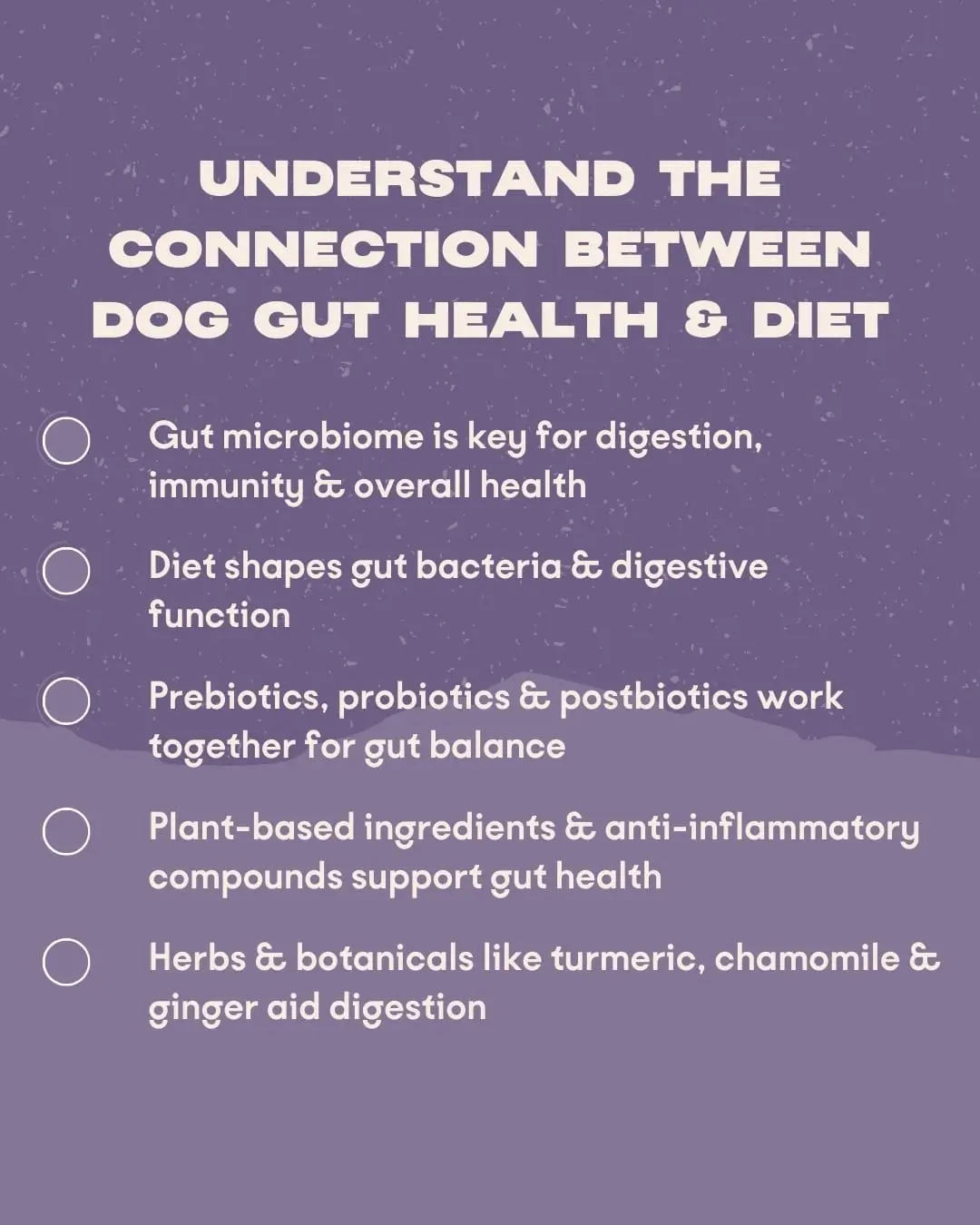
Signs of Poor Gut Health in Dogs: Symptoms to Watch
Summary Signs of poor gut health in dogs range from obvious digestive symptoms — loose stools, excessive gas, and vomiting — to systemic effects including dull coat, persistent skin problems, low energy, and behavioural changes. These signs reflect disruption to the gut microbiome, a community of trillions of microorganisms governing digestion, immunity, skin health, brain…
read more: Signs of Poor Gut Health in Dogs: Symptoms to Watch -
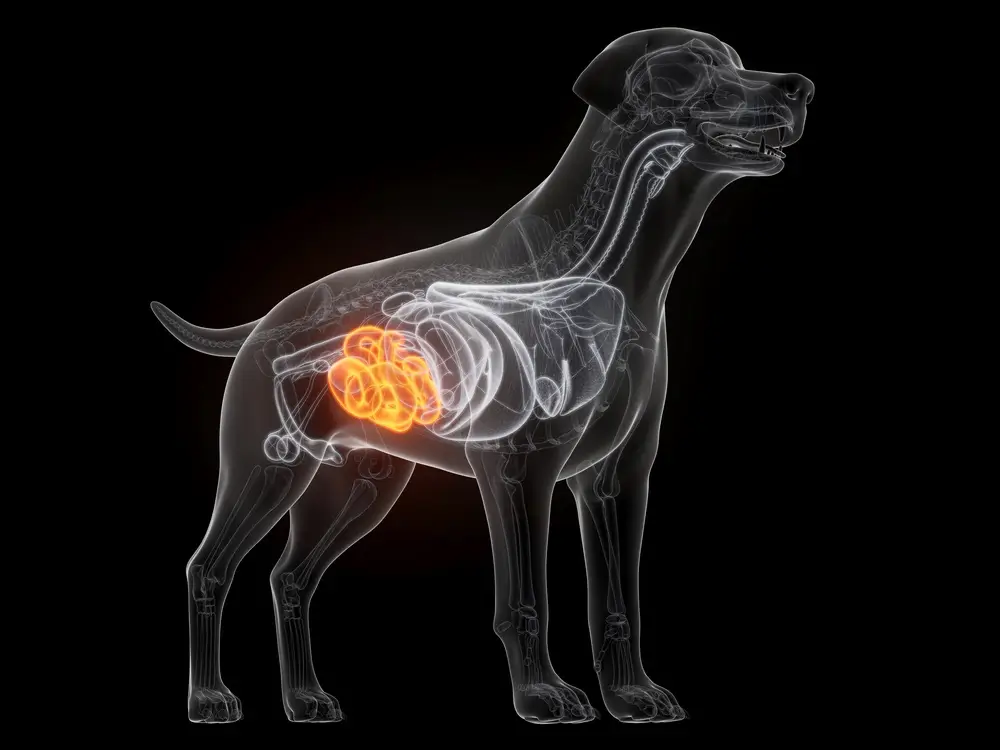
Dog Gut Microbiome Testing: What Your Results Actually Mean
Your dog’s gut microbiome test results contain more information than most reports reveal – and more limitations than most providers disclose. This guide gives you the nutritionist’s framework for reading the data correctly and acting on it with precision.
read more: Dog Gut Microbiome Testing: What Your Results Actually Mean -

Dog Genetics and Gut Health: How Breed Background Shapes Your Dog’s Microbiome
Two dogs. Same food. Completely different gut health outcomes. The difference may be written in their DNA. Discover how breed genetics shape your dog’s microbiome, enzyme production, and gut immune tone, and what that means for building a smarter gut health protocol.
read more: Dog Genetics and Gut Health: How Breed Background Shapes Your Dog’s Microbiome -
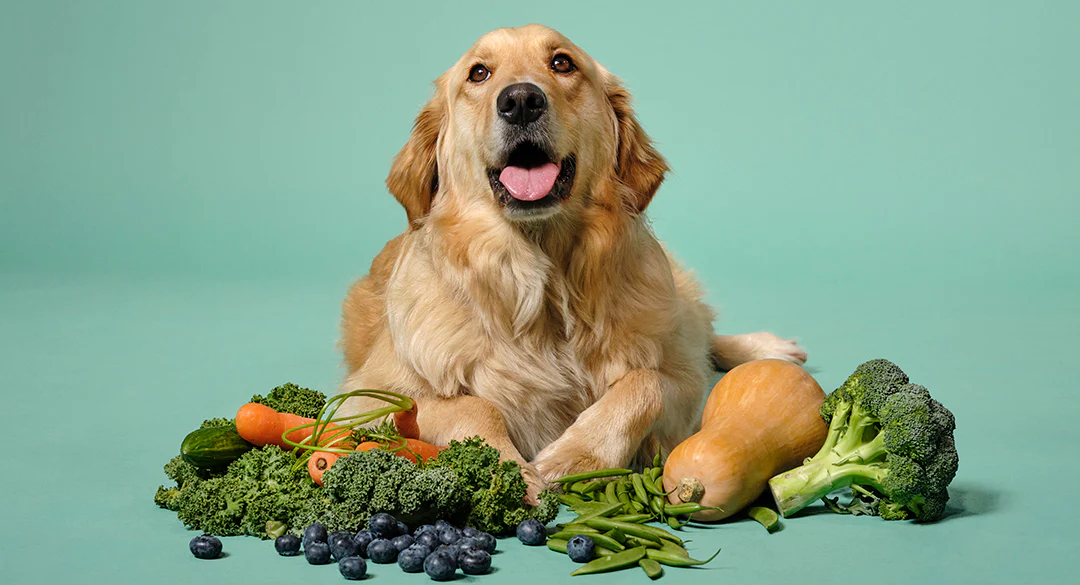
How Dogs Actually Digest Plant Ingredients
an dogs actually digest plant ingredients? The peer-reviewed science is clear — and it goes far beyond simple tolerance. Dogs carry up to seven times more copies of the AMY2B starch-digestion gene than wolves, while their gut microbiome deploys an average of 71 carbohydrate-active enzymes per bacterial species to break down complex plant fibres. Together,…
read more: How Dogs Actually Digest Plant Ingredients -
The Waltham Catalogue for the Canine Microbiome
This research establishes the scientific foundation for understanding how nutrition directly influences whole-body health through the gut microbiome.
read more: The Waltham Catalogue for the Canine Microbiome -

Homemade Dog Diets: DAP Study Finds Supplements Are Essential for Health
Home-prepared diets for dogs are often created with the very best intentions – more control, fresher ingredients, fewer “mystery” additives. But new research from the Dog Aging Project, published in the American Journal of Veterinary Research, showed that only 6% were nutritionally complete.
read more: Homemade Dog Diets: DAP Study Finds Supplements Are Essential for Health -

How a Plant-Based Diet for Dogs Drastically Cuts Environmental Impact — and Boosts Canine Health
As concern over climate change, biodiversity loss, water scarcity, and pollution intensifies, pet owners and pet-food producers are asking: can our choices for dogs help reduce environmental damage?
read more: How a Plant-Based Diet for Dogs Drastically Cuts Environmental Impact — and Boosts Canine Health