 UK · English
 DE · German
 ES · Spanish
 FR · French
 NL · Dutch
Our Tale

Dog Health and Nutrition Hub

Showing 10 of 452 articles
-

The HPA Axis in Dogs: How Chronic Stress Rewires Whole-Body Health
The stress system behind your dog’s itching, loose stools and restless nights is often the same one. Here is how the HPA axis works, and how to support it.
read more: The HPA Axis in Dogs: How Chronic Stress Rewires Whole-Body Health
-

Dog Genetics and Gut Health: How Breed Background Shapes Your Dog’s Microbiome
Two dogs. Same food. Completely different gut health outcomes. The difference may be written in their DNA. Discover how breed genetics shape your dog’s microbiome, enzyme production, and gut immune tone, and what that means for building a smarter gut health protocol.
read more: Dog Genetics and Gut Health: How Breed Background Shapes Your Dog’s Microbiome -

Gut Health and Dog Behaviour: What the Microbiome Reveals About Reactivity and Aggression
Your dog’s gut does more than digest food. It produces the neurotransmitters that shape mood, regulates the stress response, and communicates directly with the brain through a network of nerves, hormones, and immune signals. When that system is disrupted, behaviour changes, and this guide explains exactly how, and what nutrition can do about it.
read more: Gut Health and Dog Behaviour: What the Microbiome Reveals About Reactivity and Aggression -

Kaolin and Pectin for Dogs: Uses, Limitations, and a More Complete Alternative
Kaolin and pectin has been a go-to remedy for dog diarrhoea for decades — and it works, for what it is designed to do. But if you are looking for a supplement that goes beyond symptom relief to actively support your dog’s gut lining, microbiome, and long-term health, the science points clearly to a more…
read more: Kaolin and Pectin for Dogs: Uses, Limitations, and a More Complete Alternative -

Anti-Aging Supplements for Dogs: A Canine Nutritionist’s Evidence-Based Guide
The science of canine ageing has advanced significantly. We now know that specific compounds can target the biological mechanisms driving decline — from oxidative stress and inflammaging to mitochondrial dysfunction and sarcopenia. This guide examines the evidence behind the most researched anti-aging supplements for dogs, and identifies which ones genuinely earn their place.
read more: Anti-Aging Supplements for Dogs: A Canine Nutritionist’s Evidence-Based Guide -

Healthspan for Dogs — How to Improve Your Dog’s Quality of Life and Help Them Live Better, Longer
Healthspan for dogs isn’t about adding years — it’s about adding life to those years. Discover how targeted nutrition and gut microbiome health can protect your dog’s mobility, cognitive function, and vitality as they age. A canine nutritionist explains the science behind extending your dog’s healthy, vibrant years.
read more: Healthspan for Dogs — How to Improve Your Dog’s Quality of Life and Help Them Live Better, Longer -
Leucine for Dogs: Muscle Support, Metabolic Signalling & Healthy Ageing
Leucine is the most potent dietary activator of the mTOR signalling pathway — the master cellular switch that initiates muscle protein synthesis in every mammalian species studied, including dogs. As dogs age, their ability to maintain lean muscle mass declines, leading to sarcopenia — the progressive loss of muscle that visibly thins the hindquarters and…
read more: Leucine for Dogs: Muscle Support, Metabolic Signalling & Healthy Ageing -

Cysteine for Dogs: Glutathione Support, Liver Health & Antioxidant Defence
L-cysteine is the rate-limiting amino acid in your dog’s production of glutathione — the most abundant and arguably most important antioxidant in every cell of the body. Without adequate cysteine, glutathione synthesis stalls, leaving the liver, gut lining and immune system vulnerable to oxidative damage. This evidence-based guide explores how L-cysteine at 30 mg per…
read more: Cysteine for Dogs: Glutathione Support, Liver Health & Antioxidant Defence -
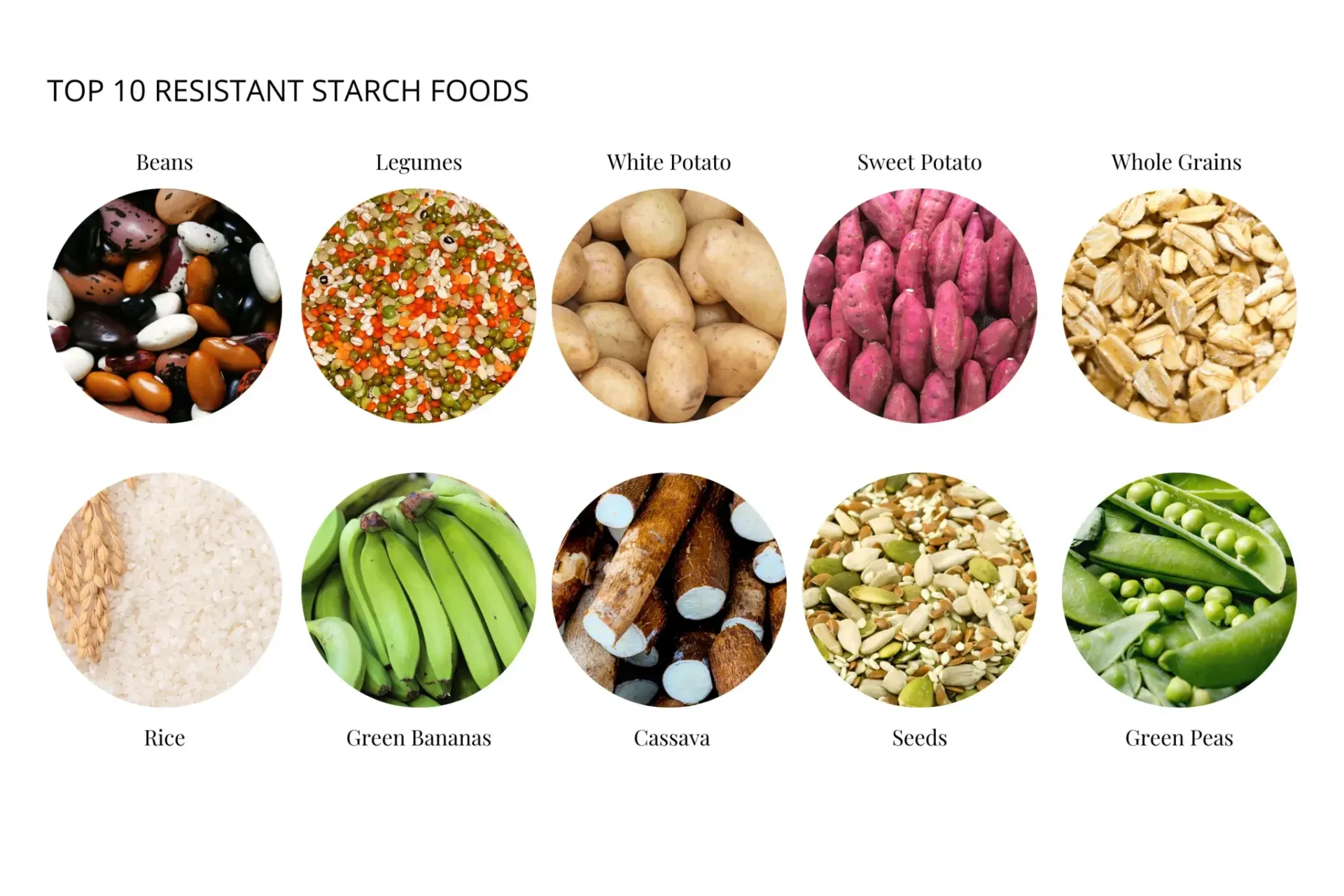
Resistant Starch for Dogs: Gut Health, Butyrate Production & Prebiotic Benefits
Resistant starch escapes digestion in the small intestine and reaches the colon intact, where it fuels beneficial bacteria and drives butyrate production — the short-chain fatty acid most important for canine gut barrier integrity and immune function. This evidence-based guide examines the five RS types, what canine research actually shows, and how to optimise resistant…
read more: Resistant Starch for Dogs: Gut Health, Butyrate Production & Prebiotic Benefits -

Dog Gut Health: How to Recognise Symptoms and Know When to Act
Itchy skin. Stiff joints. Anxiety that has no obvious trigger. The hidden signs of poor gut health in dogs rarely look digestive, which is why most owners miss them. This evidence-based guide helps you recognise the obvious and hidden symptoms, understand what they mean, and know when to act.
read more: Dog Gut Health: How to Recognise Symptoms and Know When to Act