 UK · English
 DE · German
 ES · Spanish
 FR · French
 NL · Dutch
Our Tale

Dog Health and Nutrition Hub

Showing 10 of 190 articles
-

Plant-Based vs Meat-Based Dog Food: An Evidence-Based Comparison
Does a dog do better on meat or on plants? We compare the two diet types criterion by criterion, at their representative best and worst, give the counter-arguments a fair hearing, and are candid about the points where the data are still maturing.
read more: Plant-Based vs Meat-Based Dog Food: An Evidence-Based Comparison
-
Gut-Associated Lymphoid Tissue (GALT) in Dogs: How Your Dog’s Gut Controls Immunity
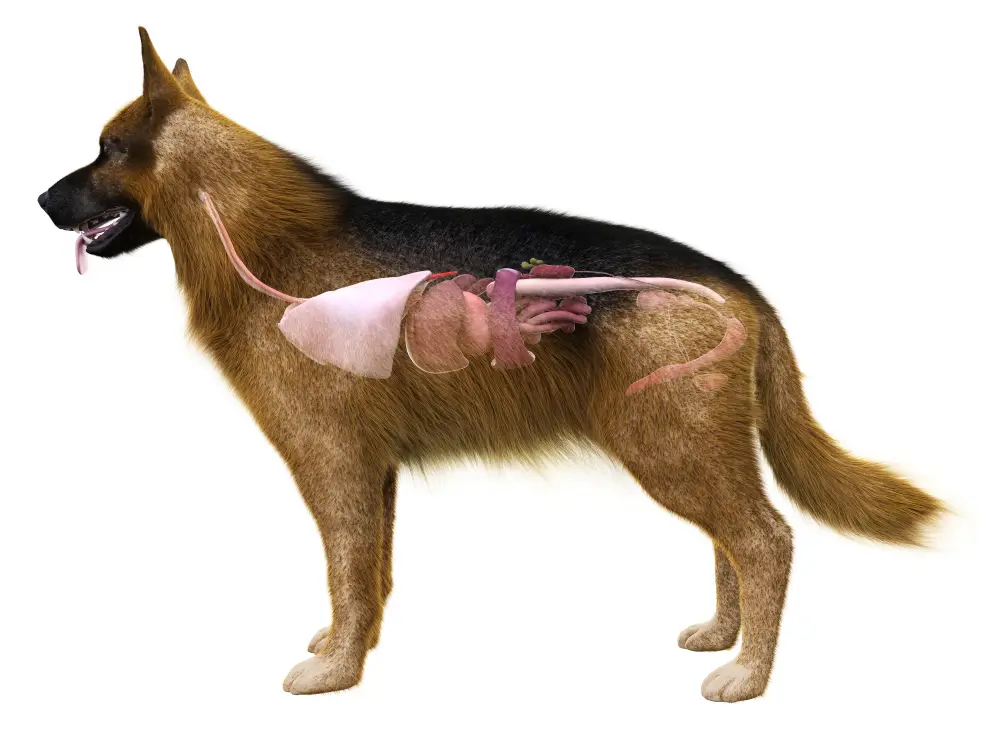
GALT — gut-associated lymphoid tissue — is the largest immune organ in your dog’s body, housing around 70% of their entire immune system within the intestinal wall. This network of Peyer’s patches, M cells, and immune populations continuously monitors everything your dog swallows, deciding what to tolerate and what to fight. When GALT is disrupted,…
read more: Gut-Associated Lymphoid Tissue (GALT) in Dogs: How Your Dog’s Gut Controls Immunity -

Best Probiotics for Dogs: Canine Nutritionist’s Guide to Real Gut Impact
This evidence-based guide explains how to select the right probiotic strains for your dog’s specific health needs. It covers the science behind how probiotics work — including eight mechanisms of action and their connections to immunity, skin, brain, and other organs through gut-organ axes.
read more: Best Probiotics for Dogs: Canine Nutritionist’s Guide to Real Gut Impact -

Natural Antihistamines for Dogs: Functions & Evidence-Based Options
Learn how natural antihistamines work differently from pharmaceuticals—stabilising mast cells and rebalancing immune responses rather than simply blocking symptoms. Evidence-based guidance on quercetin, omega-3s, probiotics, and more for managing canine allergies naturally.
read more: Natural Antihistamines for Dogs: Functions & Evidence-Based Options -

The Complete Picture
The gut doesn’t just talk to one organ — it communicates with every major system in your dog’s body through eight distinct axes. Understanding this network reveals why gut health is foundational to whole-body wellness, and why addressing the gut often resolves seemingly unrelated health concerns.
read more: The Complete Picture -

From Mouth to Gut and Back
Periodontal disease affects 80-90% of dogs by age three — but it’s not just about bad breath and tooth loss. Research shows significant associations between periodontal disease severity and pathological changes in heart, liver, and kidney tissue. The mouth is the gateway to the gut, and what happens there doesn’t stay there.
read more: From Mouth to Gut and Back -

The Detoxification Connection
The liver performs over 500 essential functions, but it receives 70-80% of its blood supply directly from the gut via the portal vein. This means everything absorbed from your dog’s intestines — good and bad — goes straight to the liver first. When the gut is unhealthy, the liver bears the burden.
read more: The Detoxification Connection -

The Energy & Weight Connection
With 40-60% of dogs overweight or obese, weight management is a critical health concern. But it’s not simply about calories in versus calories out — gut bacteria determine how efficiently energy is extracted from food, how appetite signals work, and whether the body favours fat storage or burning.
read more: The Energy & Weight Connection -

The Cardiovascular Connection
Heart disease affects 10-15% of all dogs. While we focus on heart structure and function, gut bacteria produce metabolites that directly influence cardiovascular health — some protective, some harmful. Managing gut health may complement conventional cardiac care.
read more: The Cardiovascular Connection -

The Mobility Connection
Joint stiffness, reluctance to climb stairs, slow to rise after rest — while we naturally focus on the joints themselves, inflammation originating from the gut plays a central role in joint deterioration. This explains why two dogs with similar risk factors can have vastly different joint health outcomes.
read more: The Mobility Connection